Costume Design
Bonnie & Clyde: The Musical
Illinois State University, 2022
Director: María Amenábar Farias
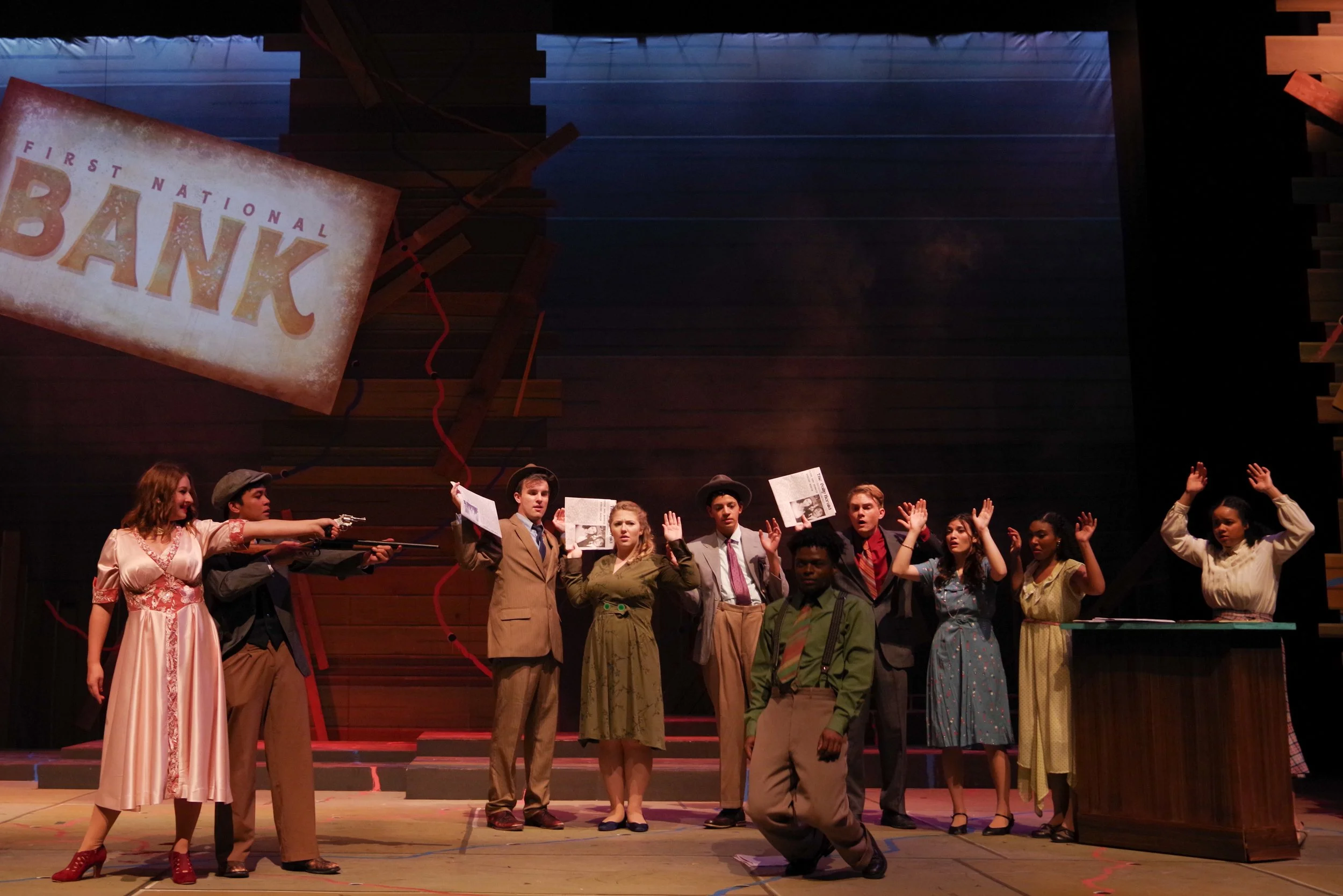
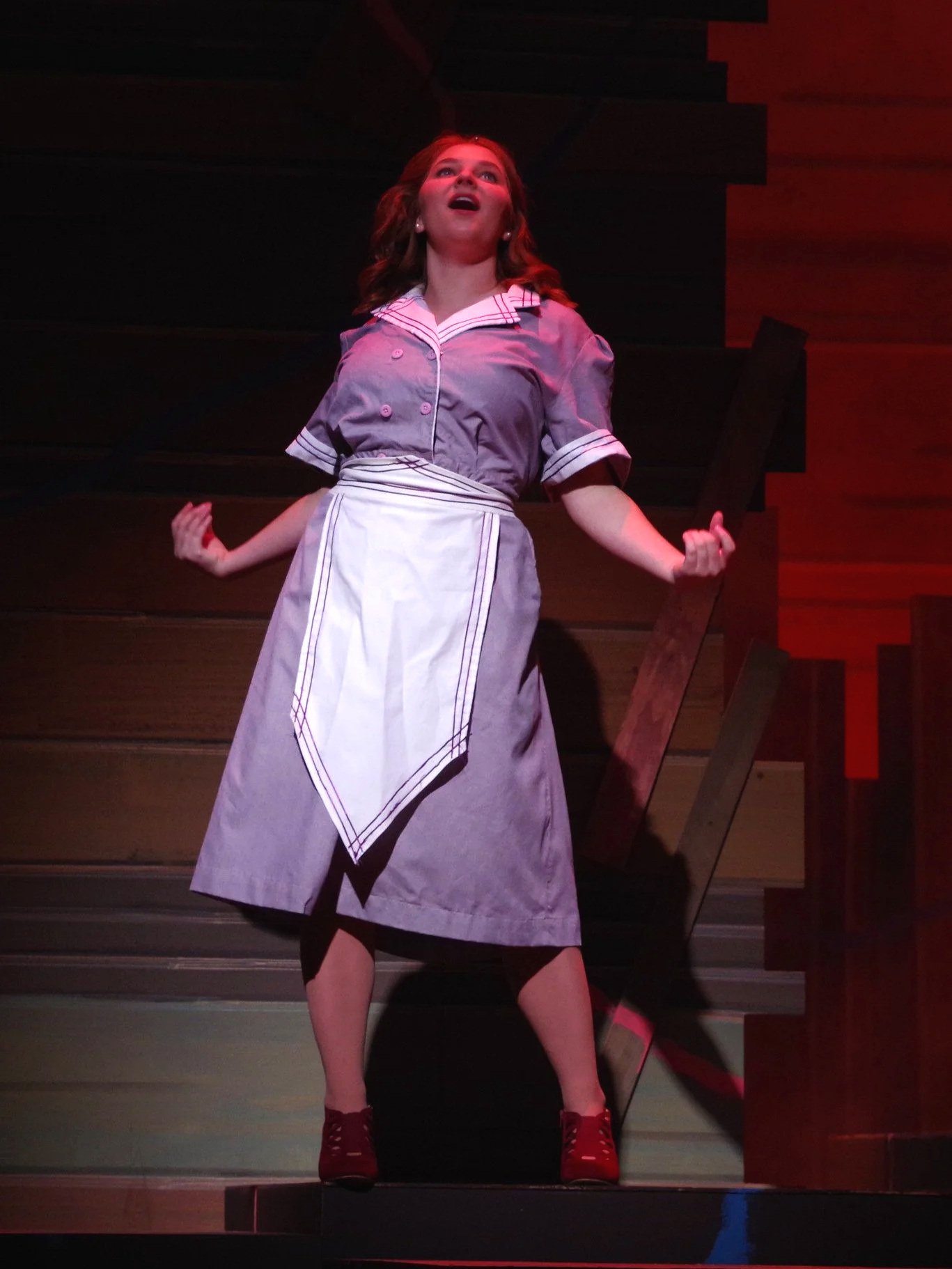
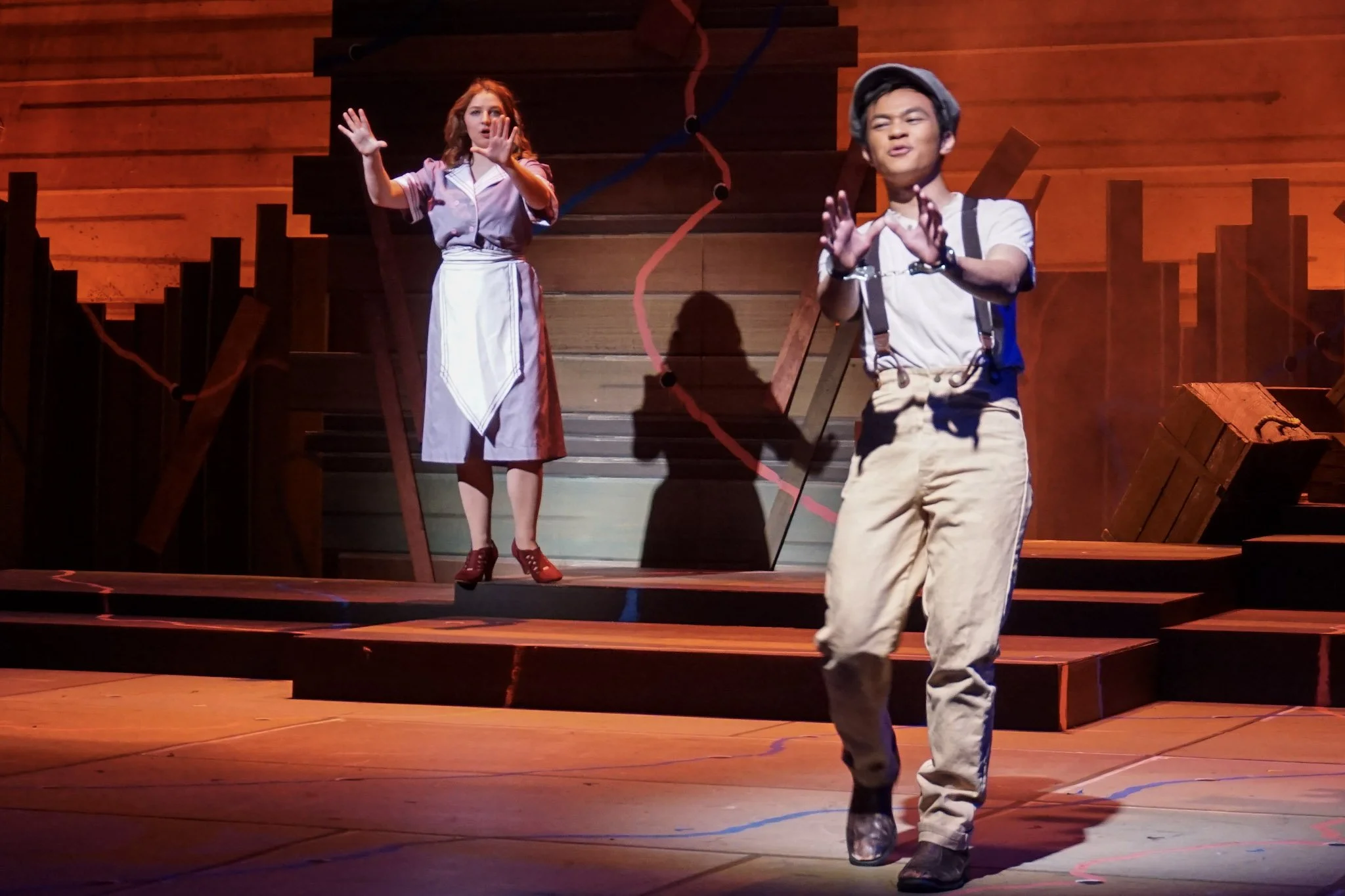
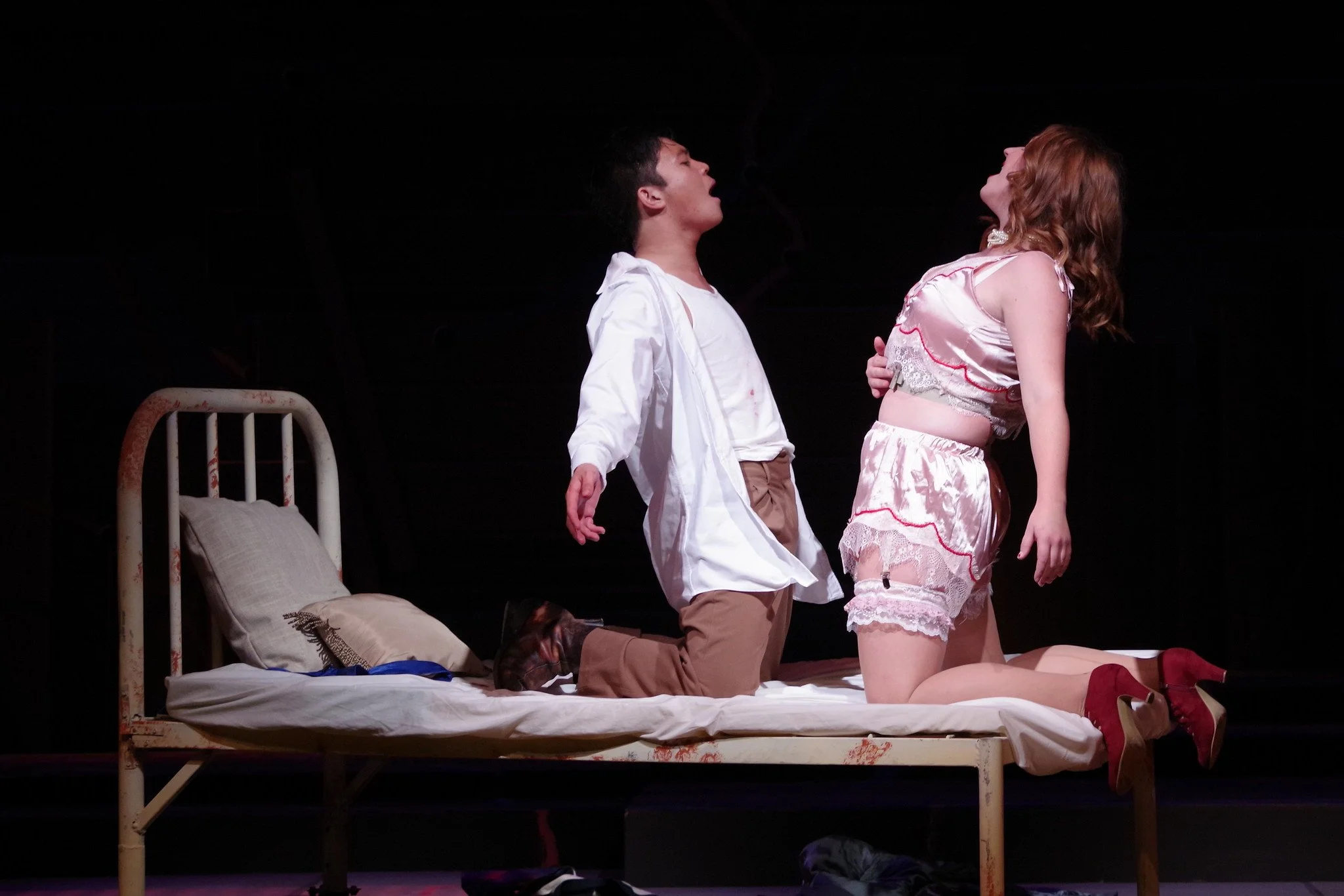
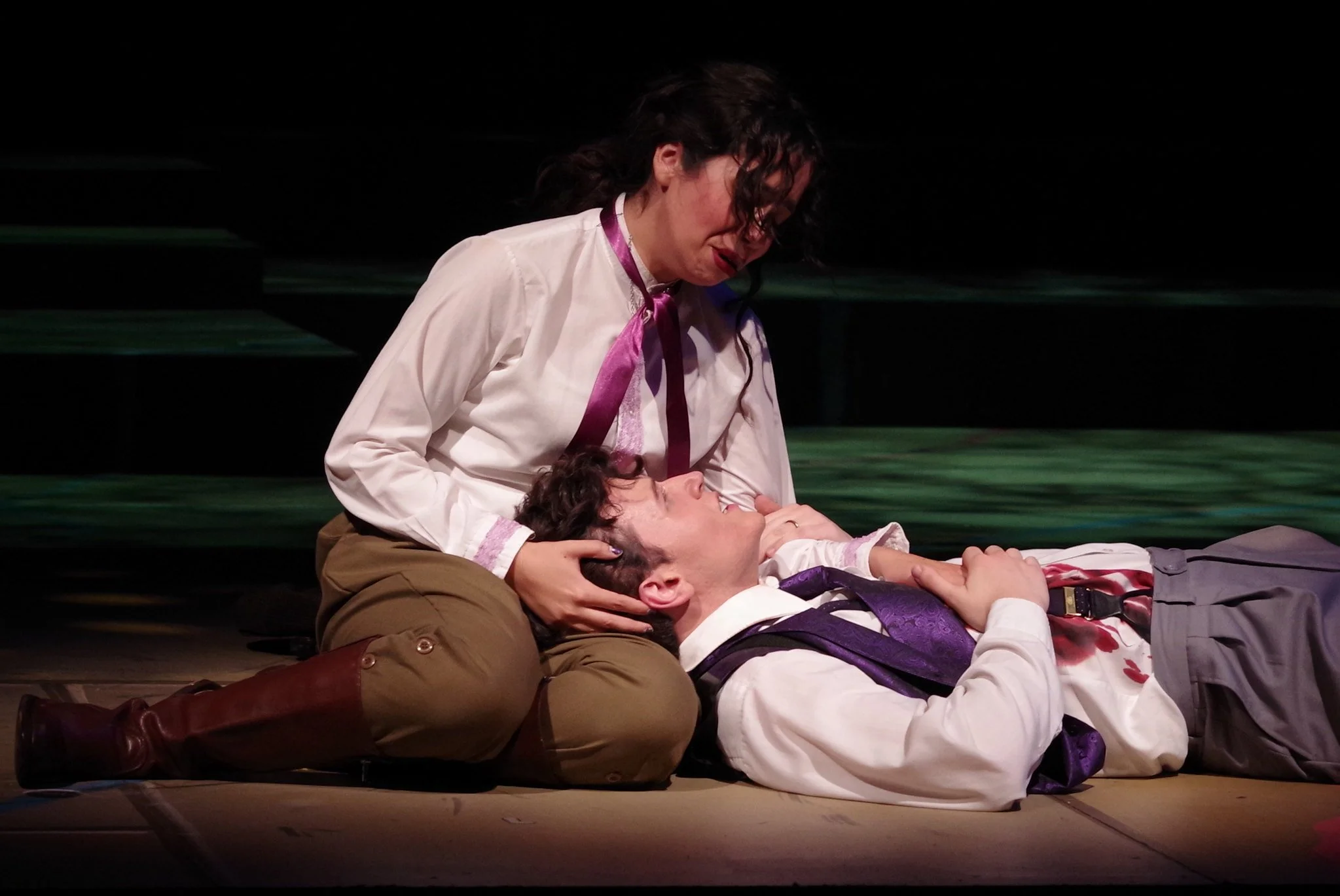
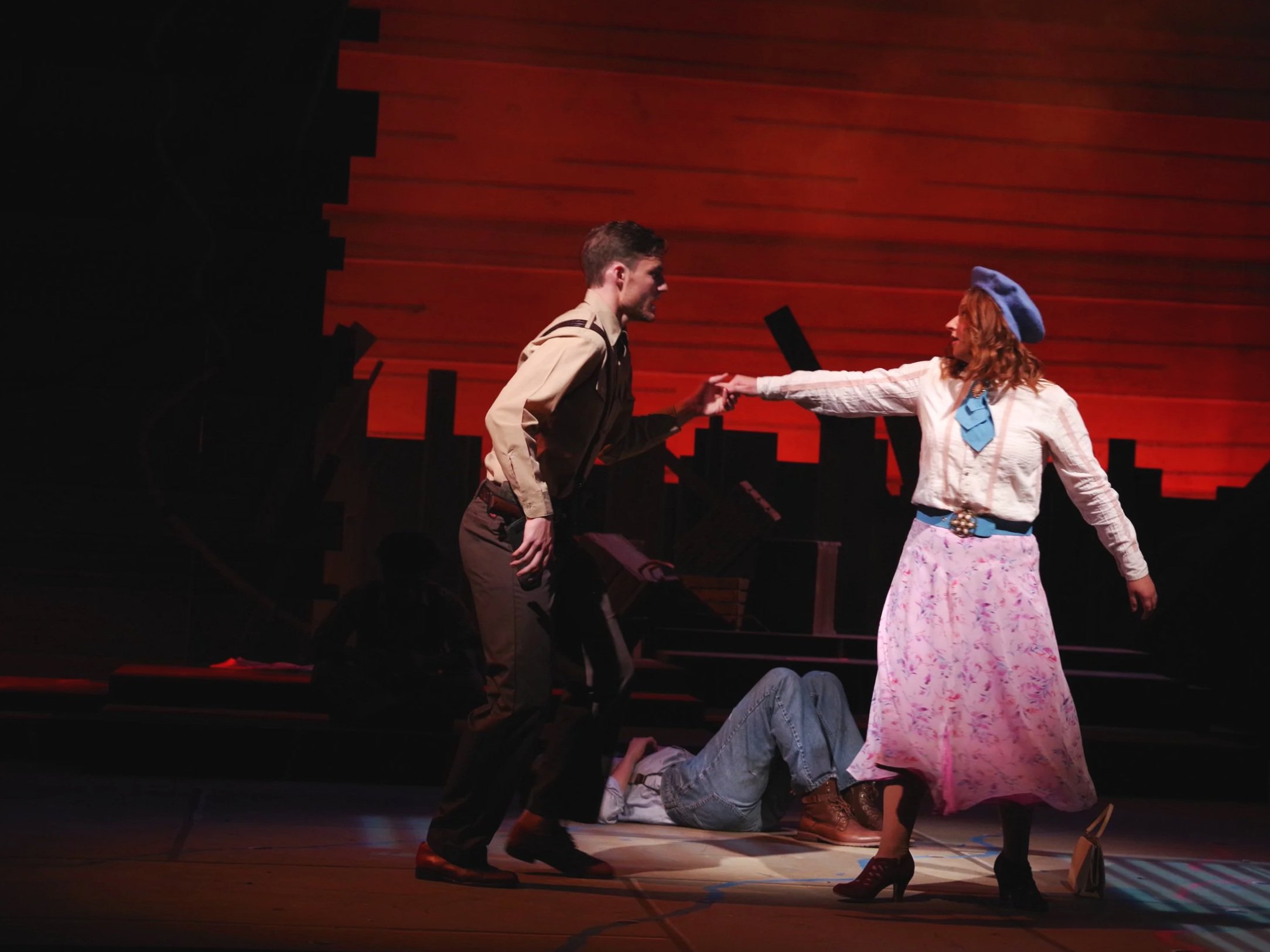
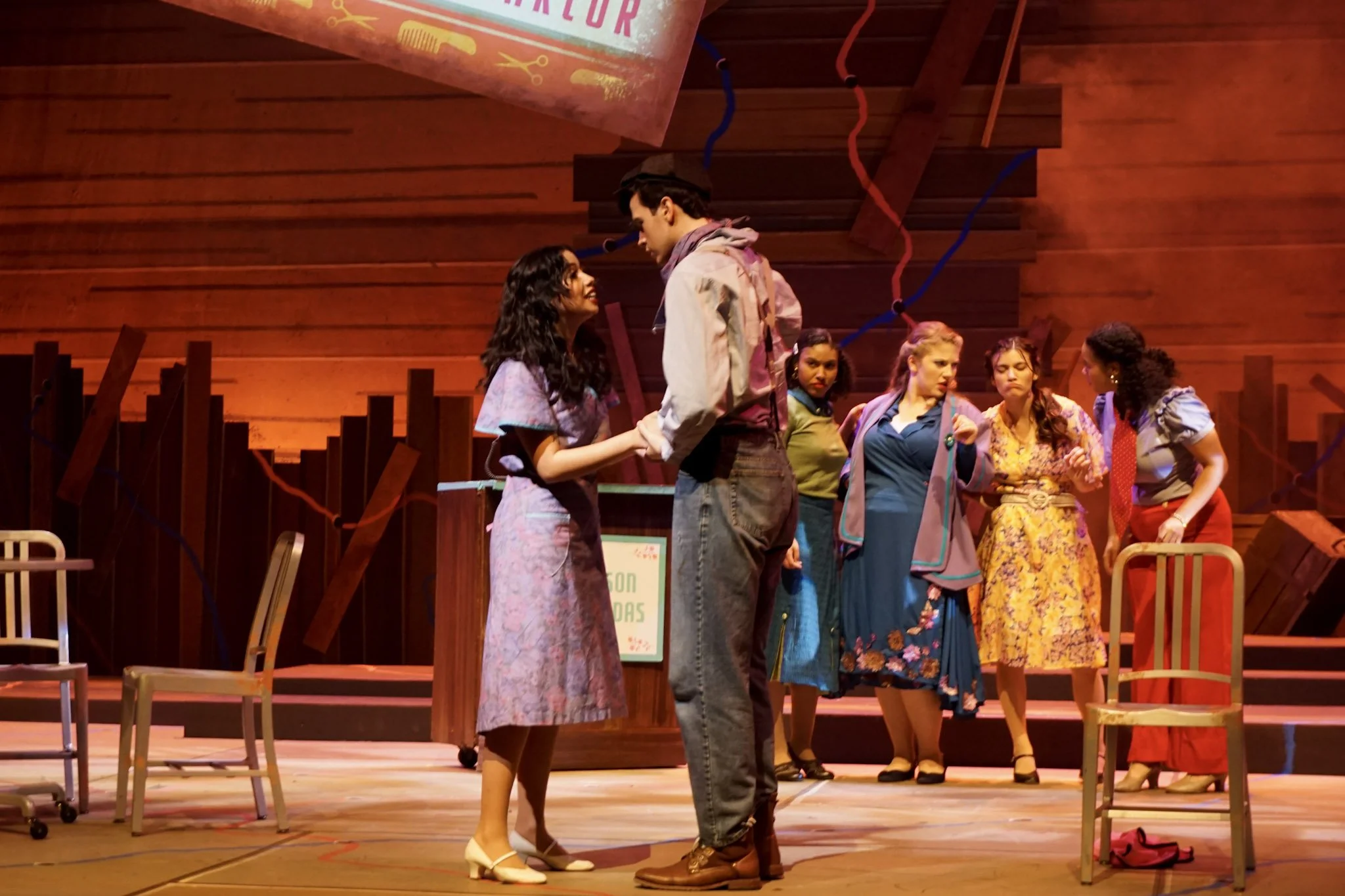
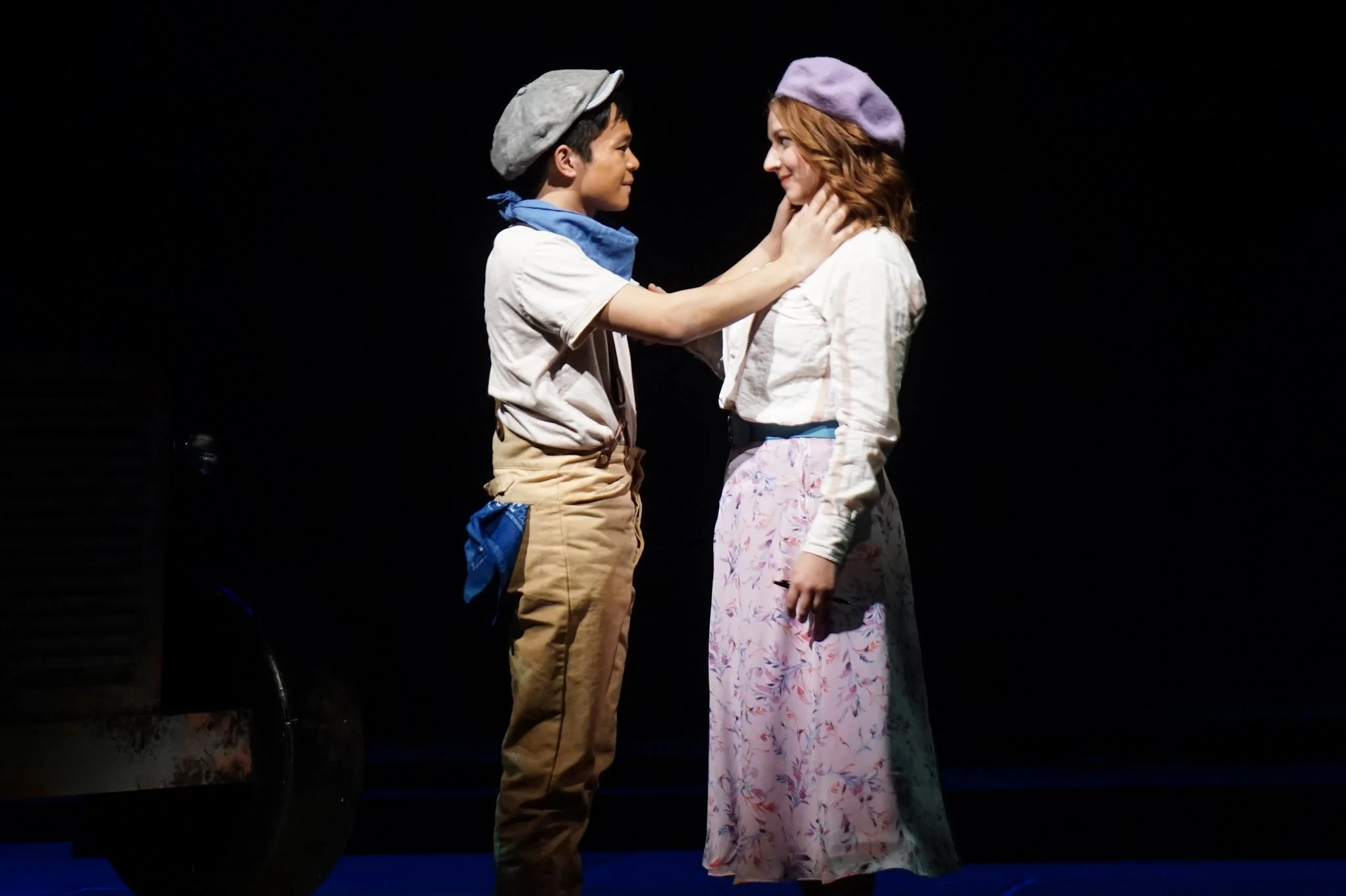
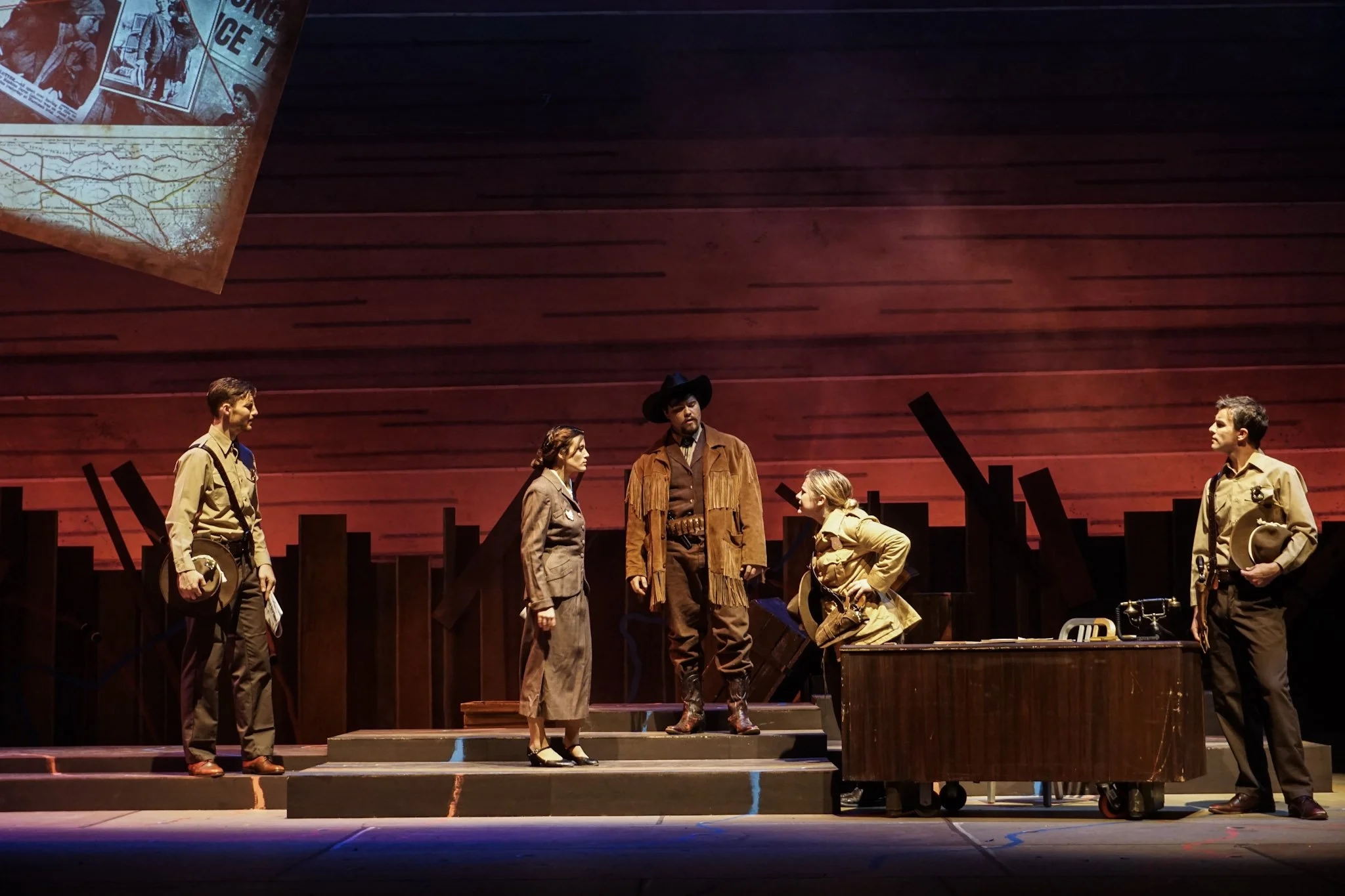
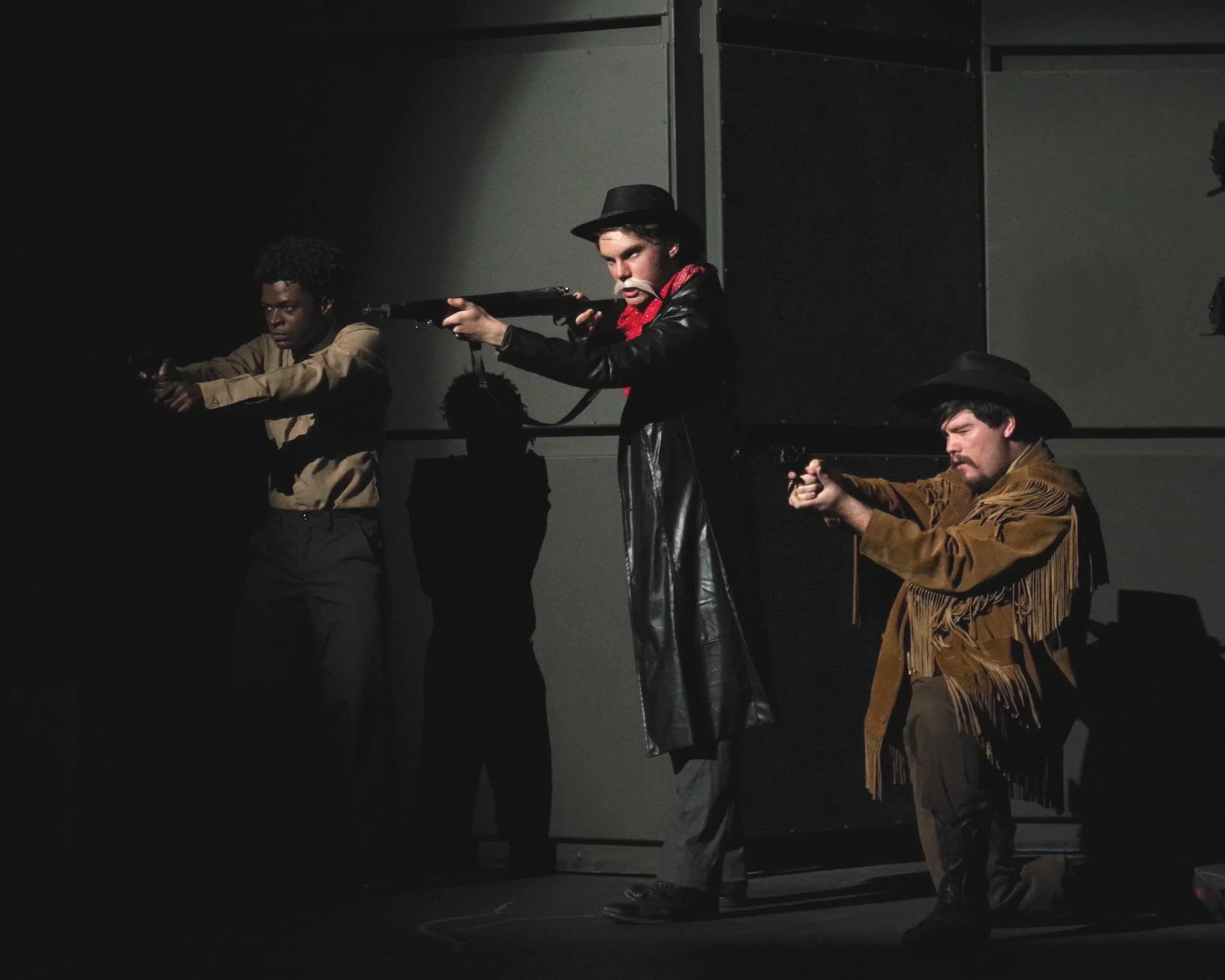
The world of Bonnie and Clyde reflects the infamous couple’s volatile relationship, set against the restrained, understated presence of the “Laws.” My design approach centered on creating an idealized, romanticized image of the criminals, inviting the audience to question why we are drawn to them despite their violence.
The primary inspiration was fields of wildflowers—vivid and beautiful, yet ultimately weeds—mirroring the seductive but destructive nature of Bonnie and Clyde’s relationship.
Over the course of the production, Bonnie, Clyde, Buck, and Blanche visually evolve from ordinary working-class individuals into the sharply dressed criminals immortalized in popular culture. This transformation was achieved through shifts in silhouette, color, and texture that reflected their growing confidence and notoriety.
In contrast, the “Laws” were costumed in subdued, neutral tones designed to blend into the environment, reinforcing their restrained presence and allowing the criminals to command visual focus.






Good Kids
Illinois State University, 2021
Director: María Amenábar Farias
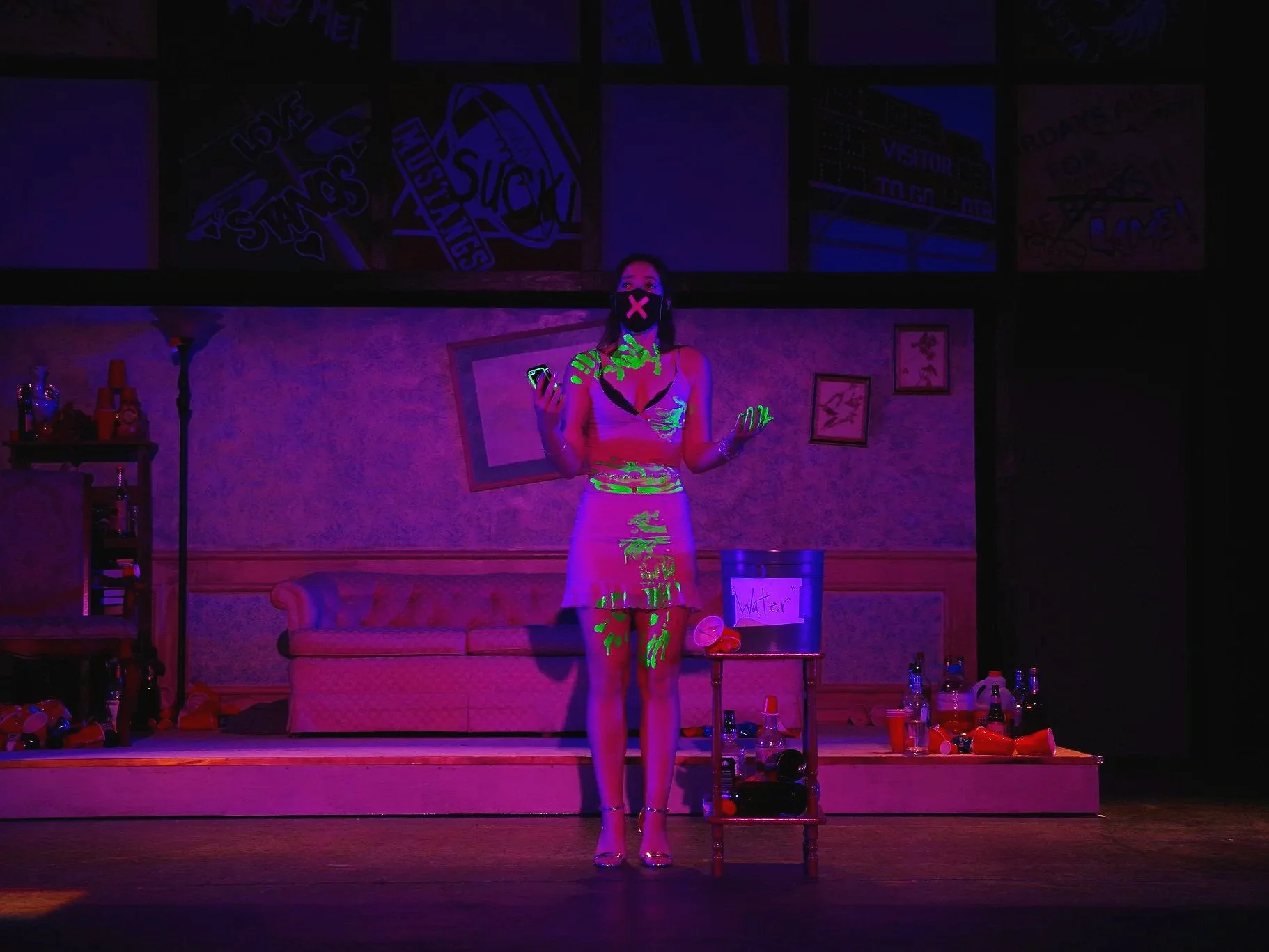
Good Kids explores the impact of sexual assault within a small-town high school community. My design approach focused on authentically portraying contemporary teenage fashion of the 2020s, incorporating layered looks, school logos, and team colors to reflect both everyday student life and party culture.
I collaborated closely with the director and lighting designer to develop a glowing paint effect for a pivotal emotional scene in which Chloe confronts video footage of her assault that was posted on social media. Holding a red Solo cup and her phone, she dipped her hand into illuminated paint and spread it across her body, creating visible “stains” that symbolized the lasting emotional and psychological impact of the assault.
In the final scene, each character carried their own color-coded cup and marked themselves in response, visually representing how Chloe’s trauma, and their own actions, reverberated throughout the entire community.




Evil Dead: The Musical
Moraine Valley Community College, 2018
Director: Tommy Hensel
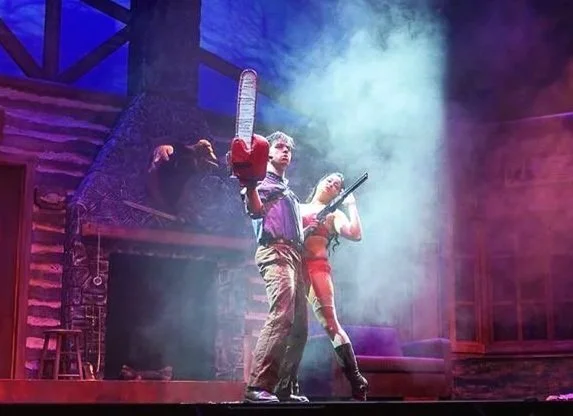
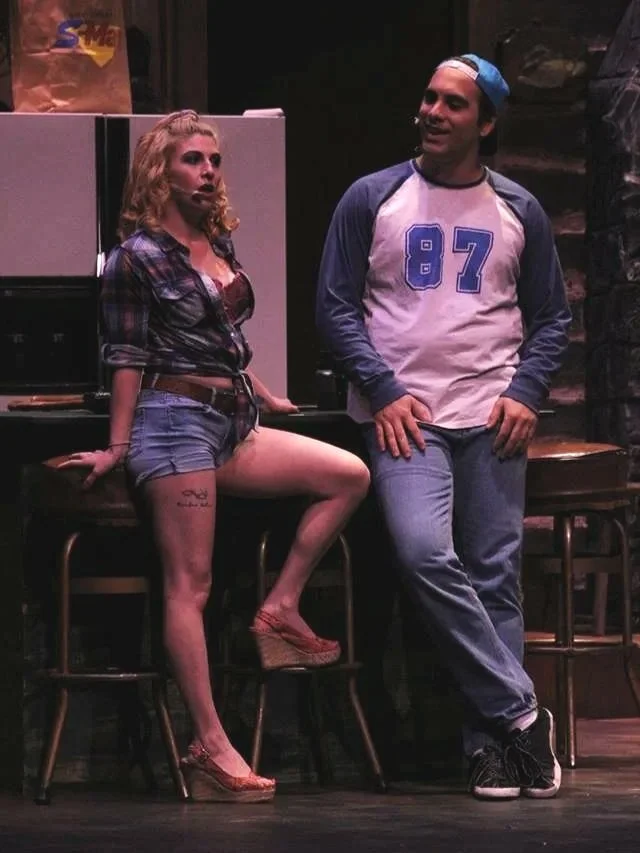
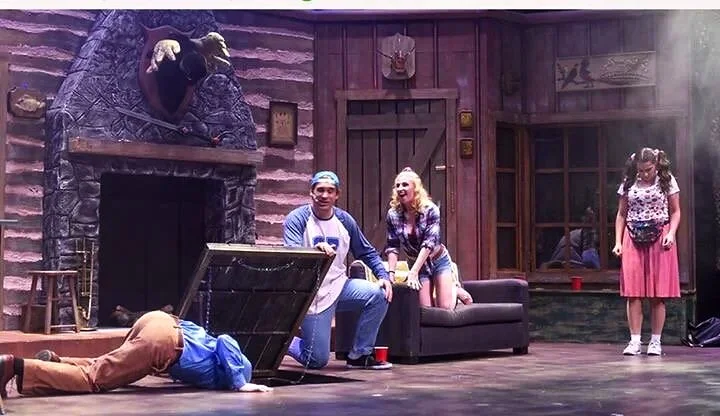
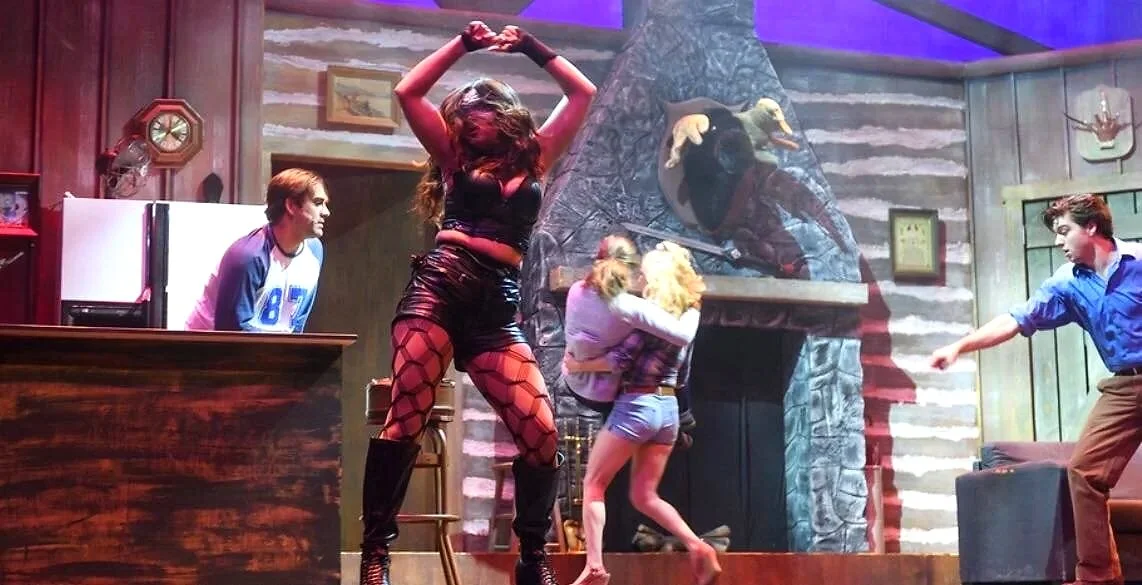
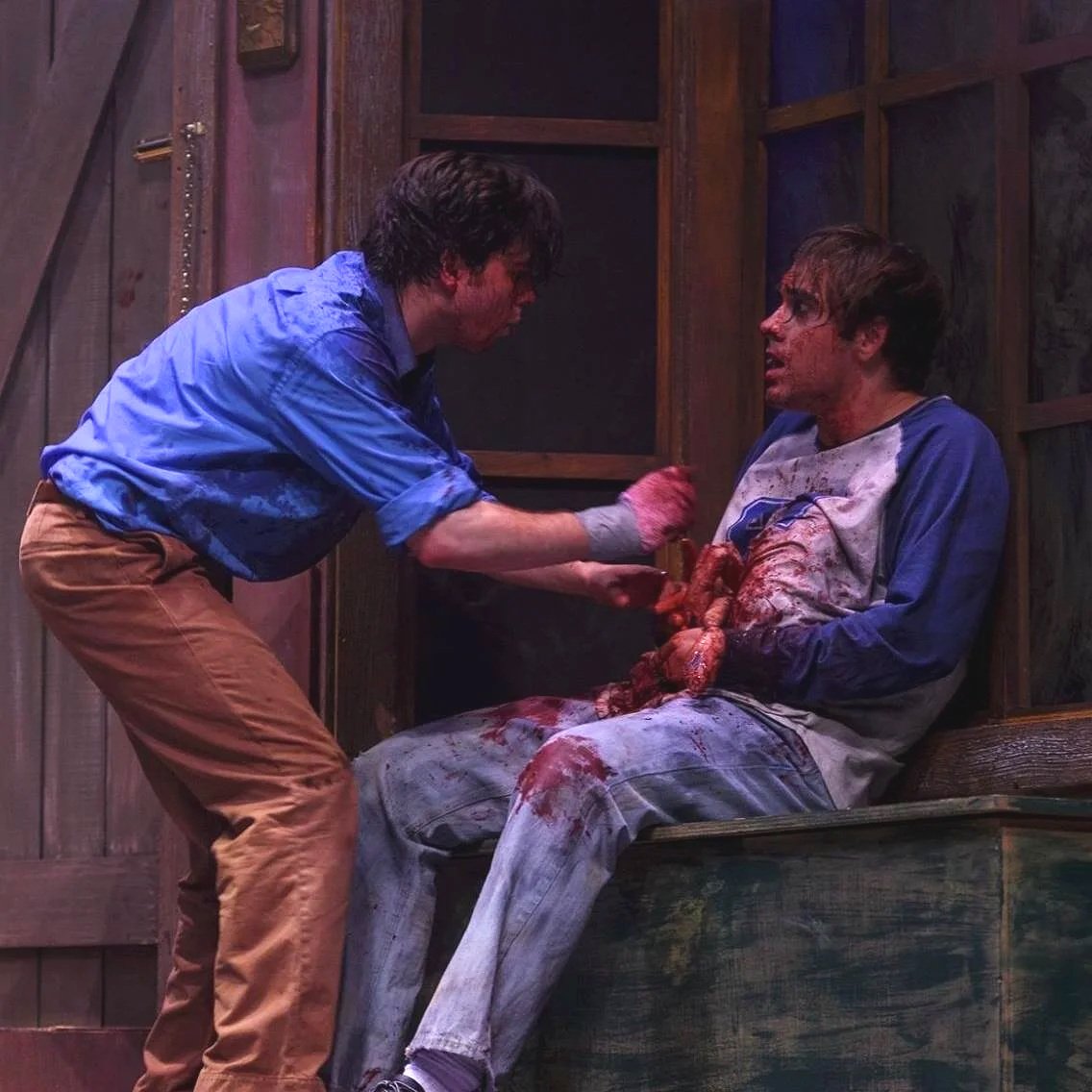
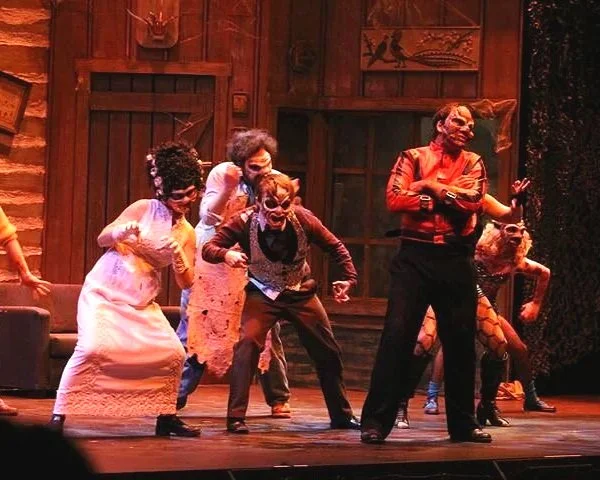
Evil Dead: The Musical embraced a campy, over-the-top 80’s slasher aesthetic, blending horror with comedy. My design approach focused on gradual distressing and escalating amounts of stage blood to visually track each character’s descent into chaos.
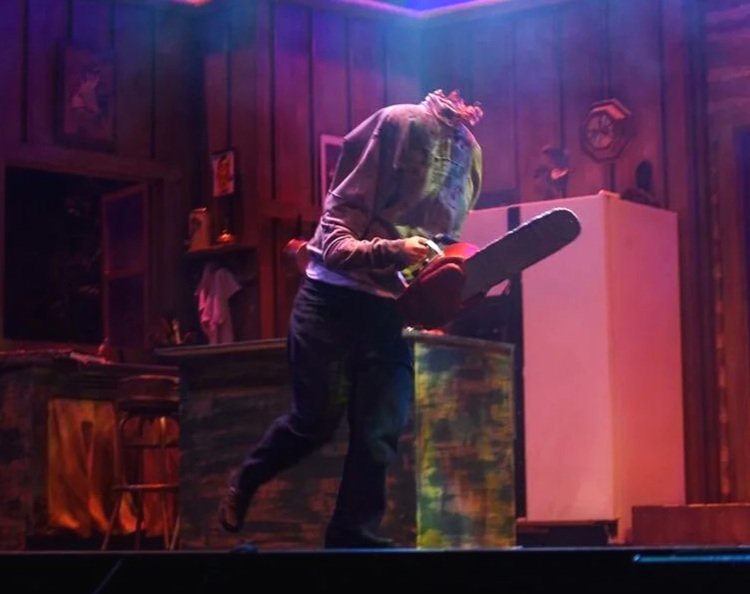
As characters transformed into their demonic forms, they adopted silicone half-masks, heavily bloodied costume variants, and exaggerated practical effects. These included a chainsaw-wielding headless body and a comedic gag in which intestines were pulled from an abdomen, reinforcing the production’s playful and gory tone.
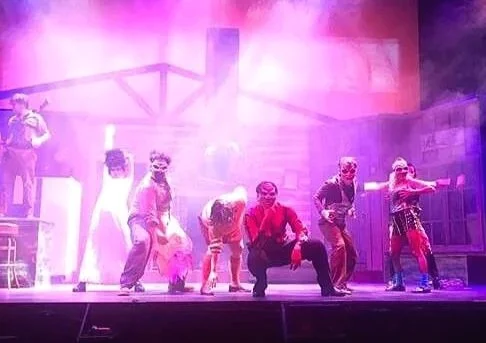
For the number “Do the Necronomicon,” I made the choice to reimagine each demon as a recognizable horror or spooky pop-culture icon, creating visually distinct transformations that heightened the humor of the scene.
Through layered costume design, progressive aging, and integrated special effects, the production balanced graphic horror with theatrical comedy.





EQUUS
Illinois State University, 2023
Director: Jimmy Chrismon
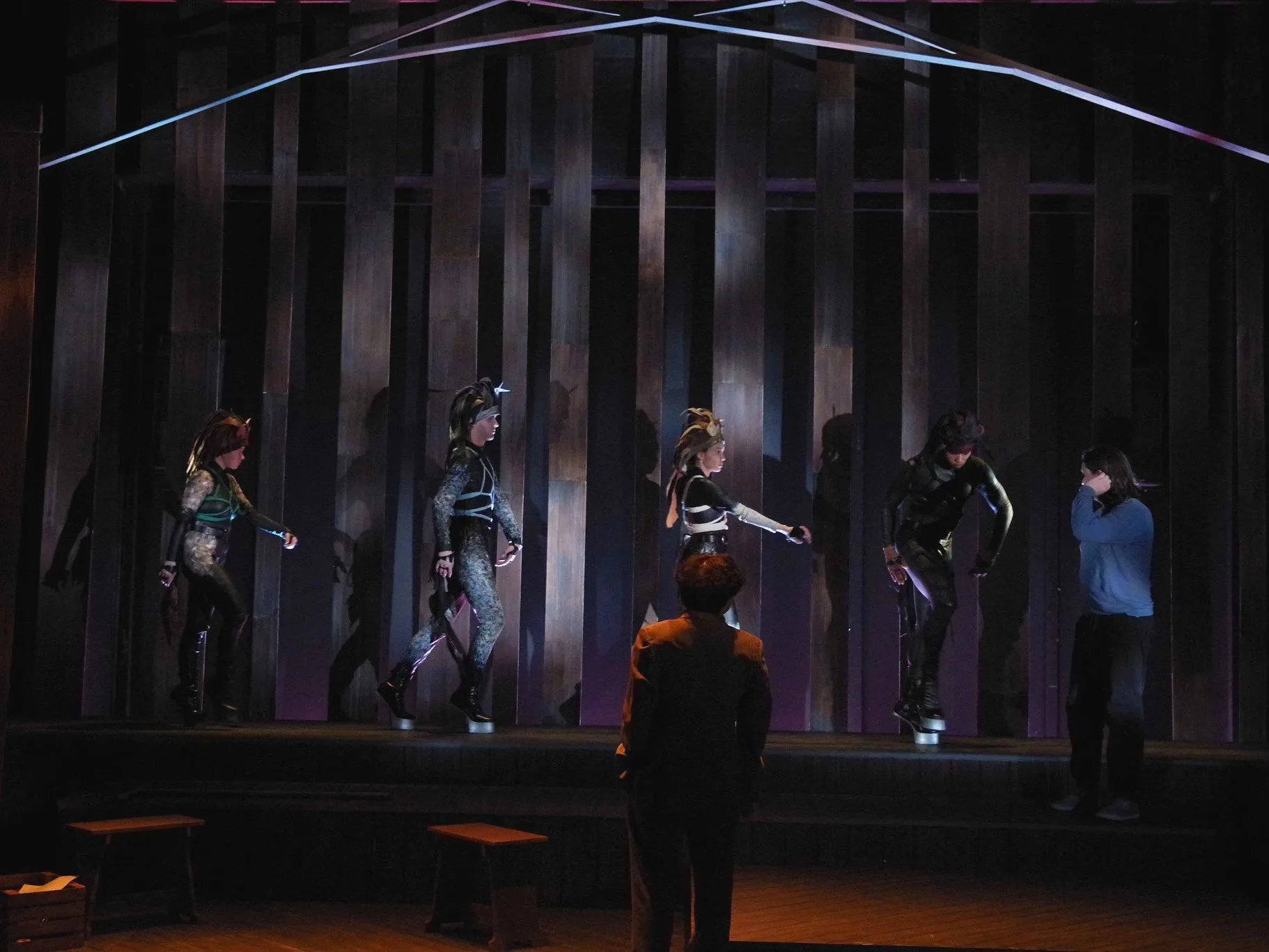
Equus was set in the mid-1970s, reflecting the period in which the play was written. The primary design focus centered on the horses and the character of Nugget, with an emphasis on themes of religious devotion, bondage, and obsessive idolization.
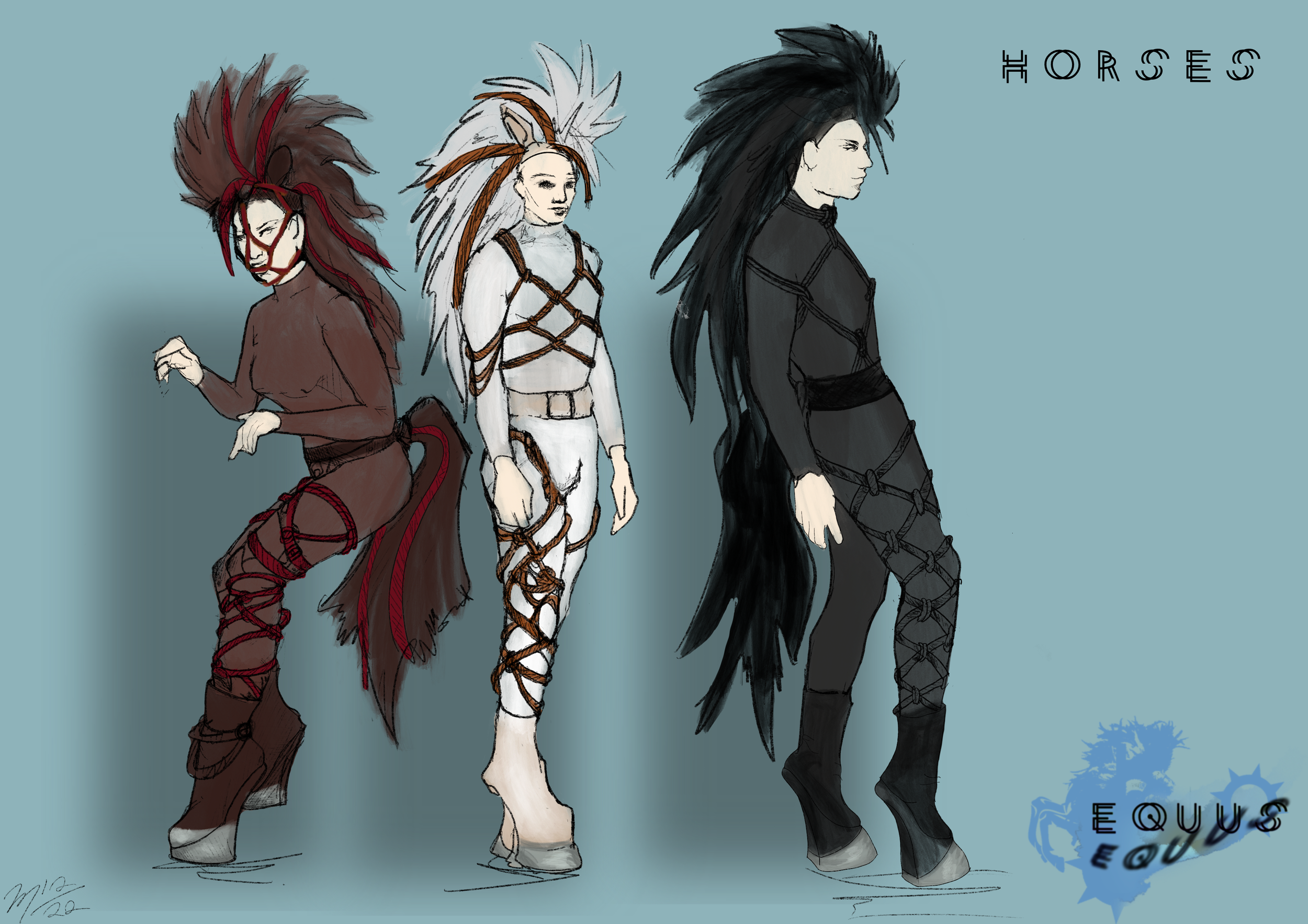
Drawing from imagery of fetishwear, equestrian tack, and ritualistic restraint, the horses were costumed in full leather bodysuits, hoof-inspired footwear, and shibari rope harnesses. These elements referenced both equine saddlery and the play’s exploration of control, reverence, and fear.
Each horse was given distinct visual identifiers through variations in leather coloration, rope tones, and tying techniques, reinforcing individual presence while maintaining a cohesive ensemble aesthetic.


CONTEMPORARY DANCE Designs
Emergence- Illinois State University, 2023
Choreographer: Darby Wilde
This contemporary dance work explored the tension between collective movement and individual identity. Choreography emphasized cycles of unison and separation, as dancers repeatedly converged and diverged in formation.
My costume design reflected this duality through sheer mesh tunics dyed to match each performer’s skin tone, layered over black base garments. The neutral overlays created visual unity, while the individualized strap details on each base costume highlighted personal identity within the group.
Together, these elements reinforced the idea that while we share a common humanity, our uniqueness remains essential to how we connect and move together.
Cornish Dance Theatre: Eleven- Cornish College of the Arts,2014
Choreographer: Zoe Scofield
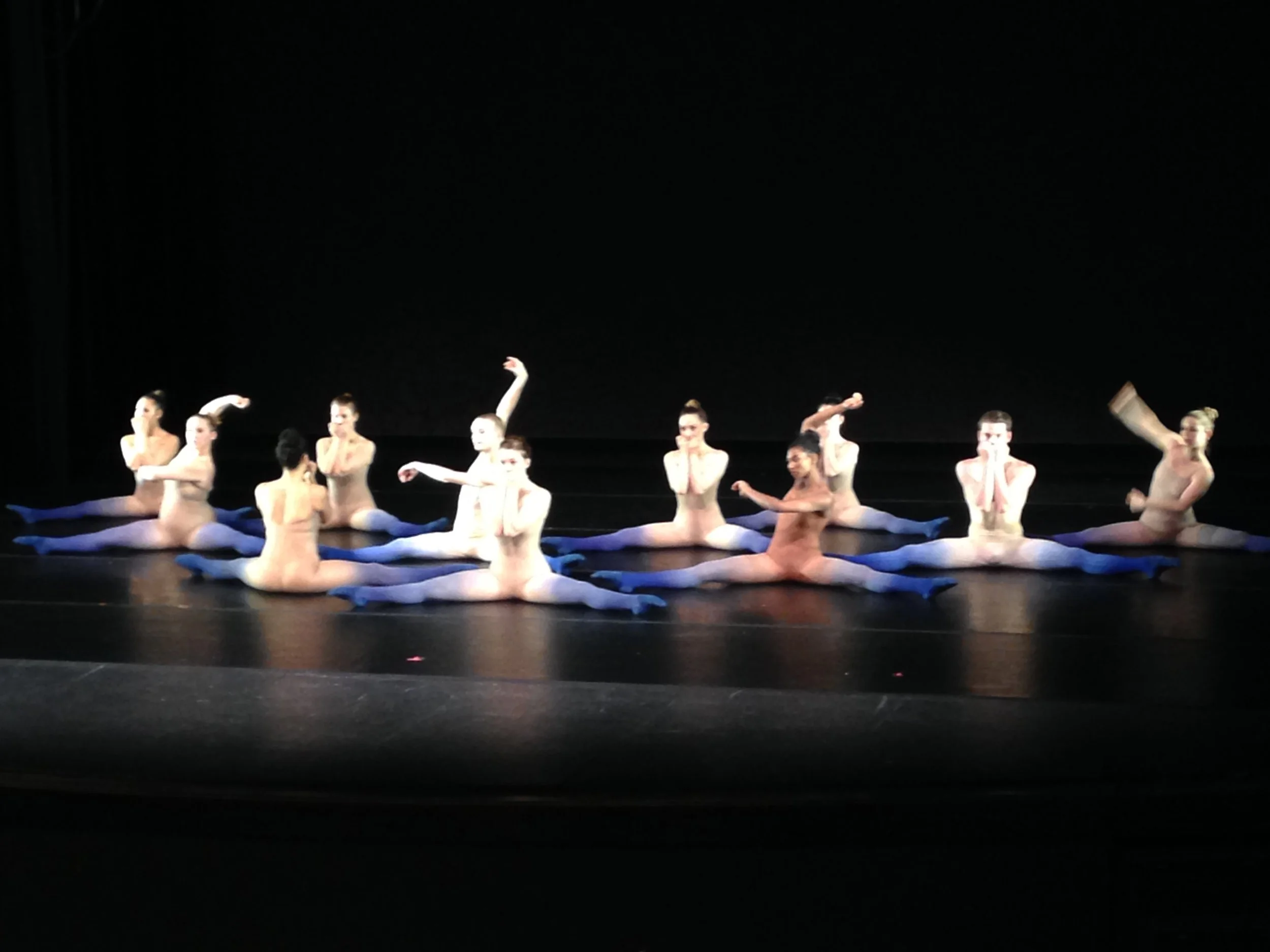
Set to Ravel’s Boléro, this piece unfolded through slow, deliberate movement that originated on the floor and expanded outward in a cascading, wave-like progression.
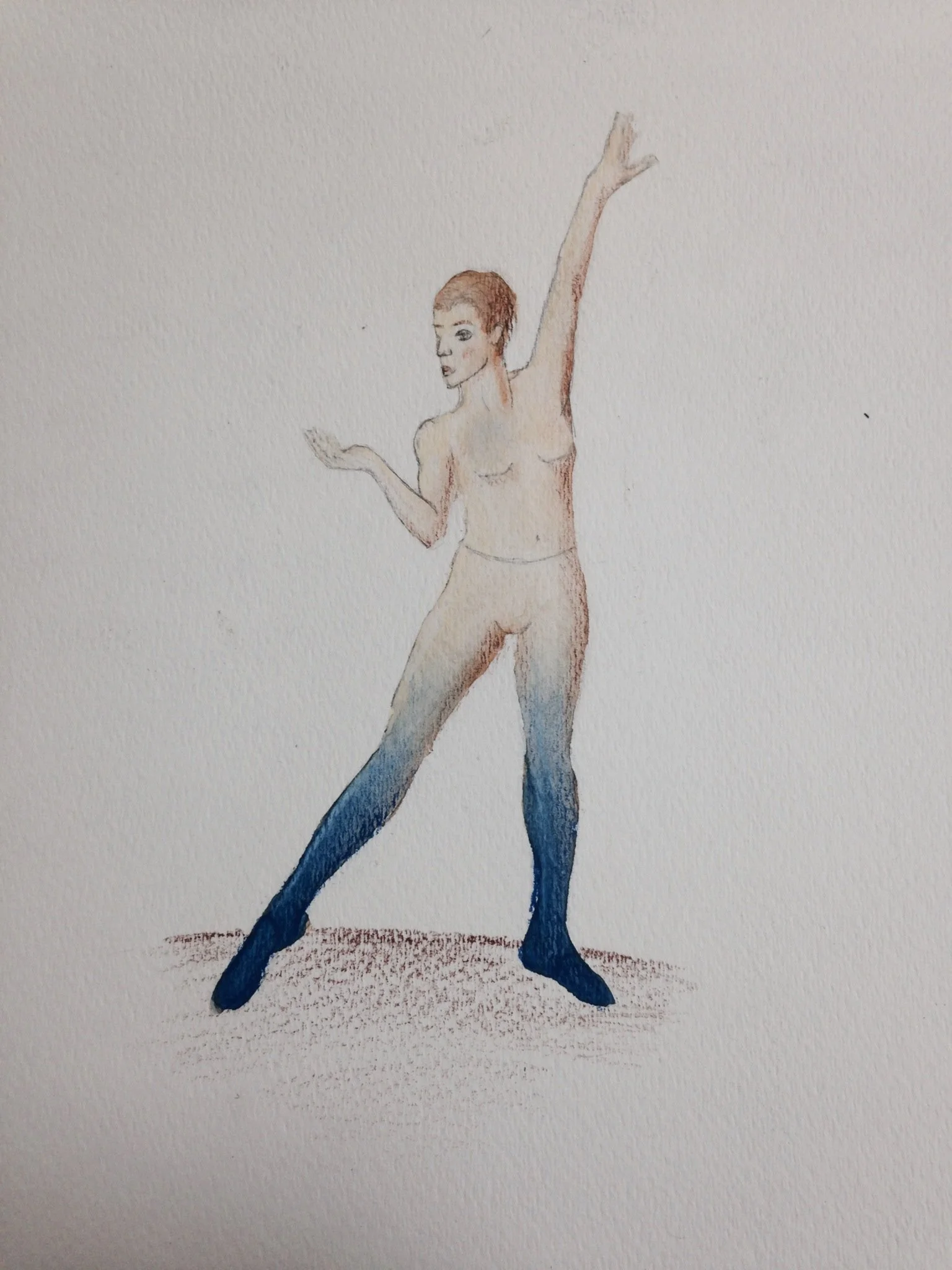
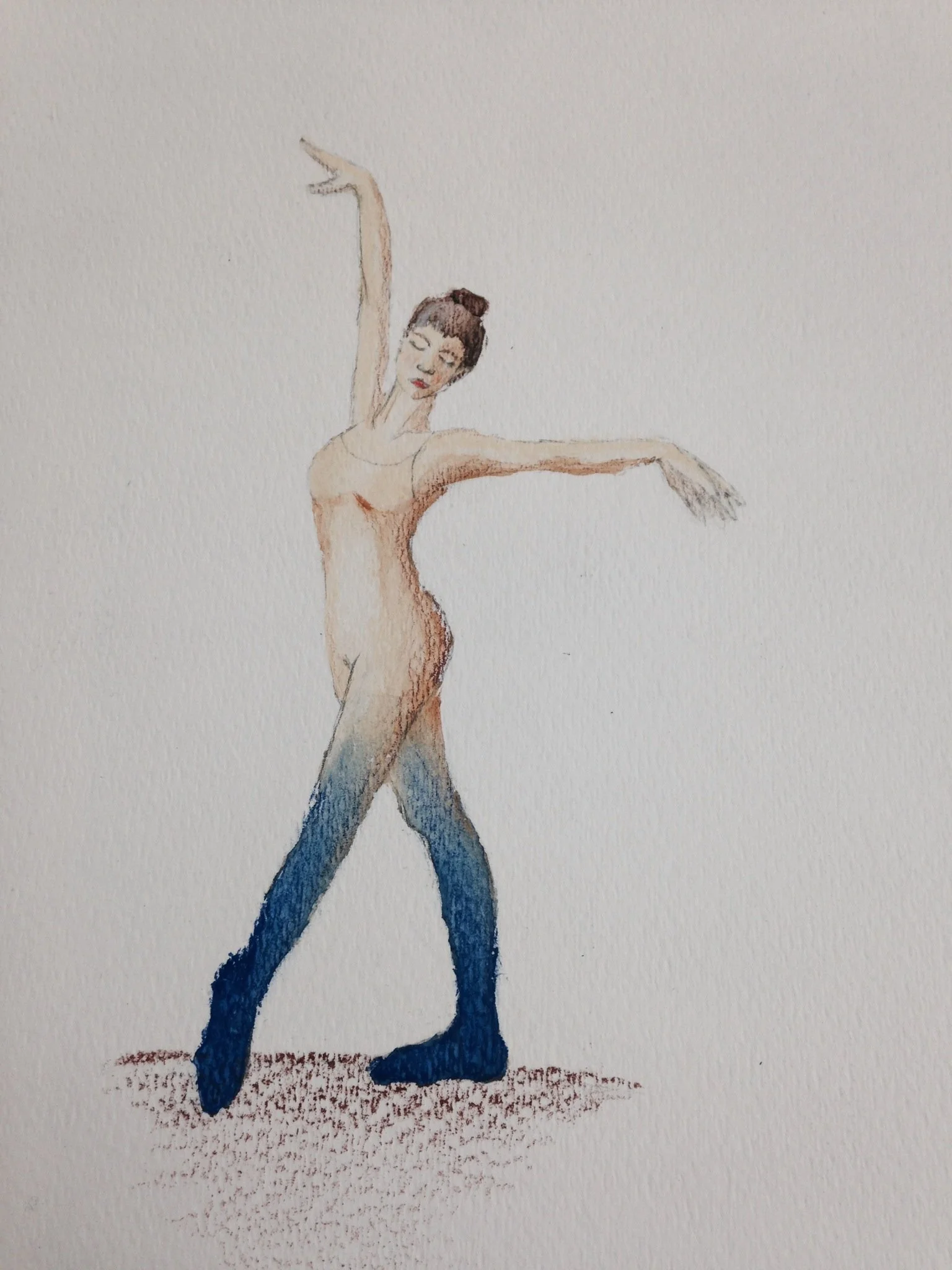
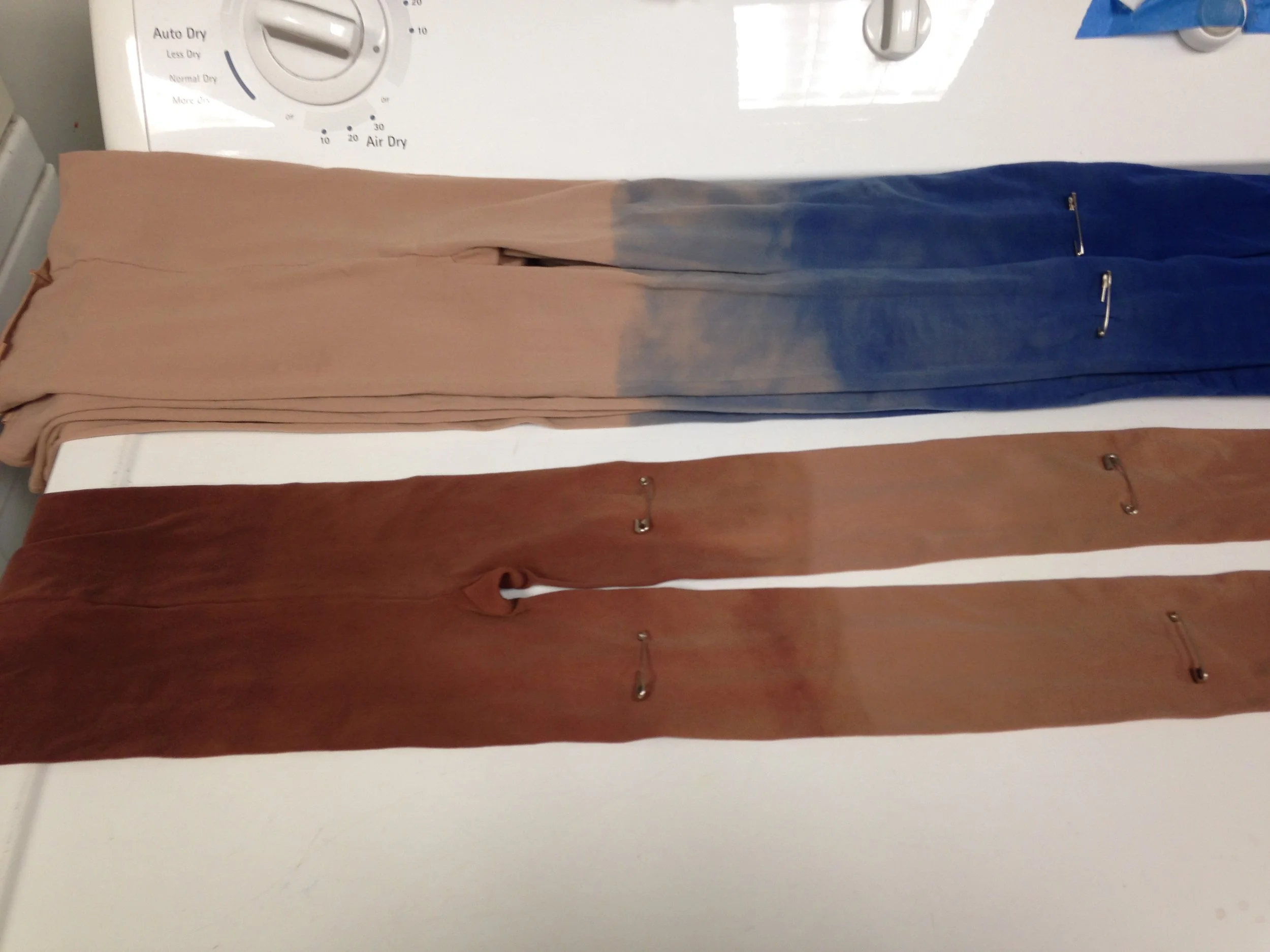
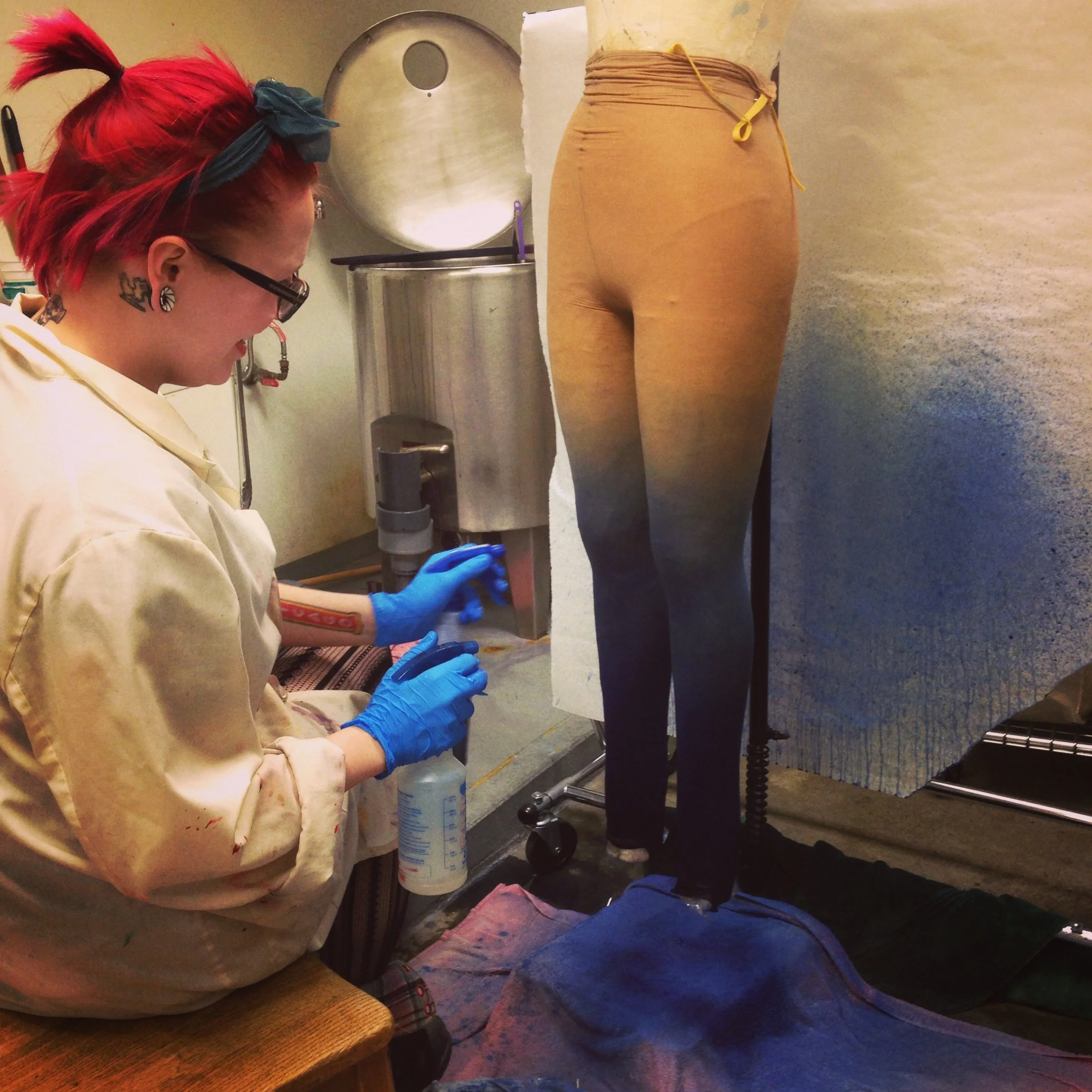
My design reflected this structure through skin-tone–matched bodysuits featuring a gradual blue ombré that traveled upward along the body. This treatment evoked both fluid motion and emotional build, mirroring the music’s steady accumulation of intensity.
The near-nude illusion emphasized vulnerability and physicality, allowing the audience to focus on form, breath, and collective momentum as the dancers moved from stillness to full expression.


RHINOCEROS
Illinois State University, 2022
Director: Sanhawich Meateanuwat
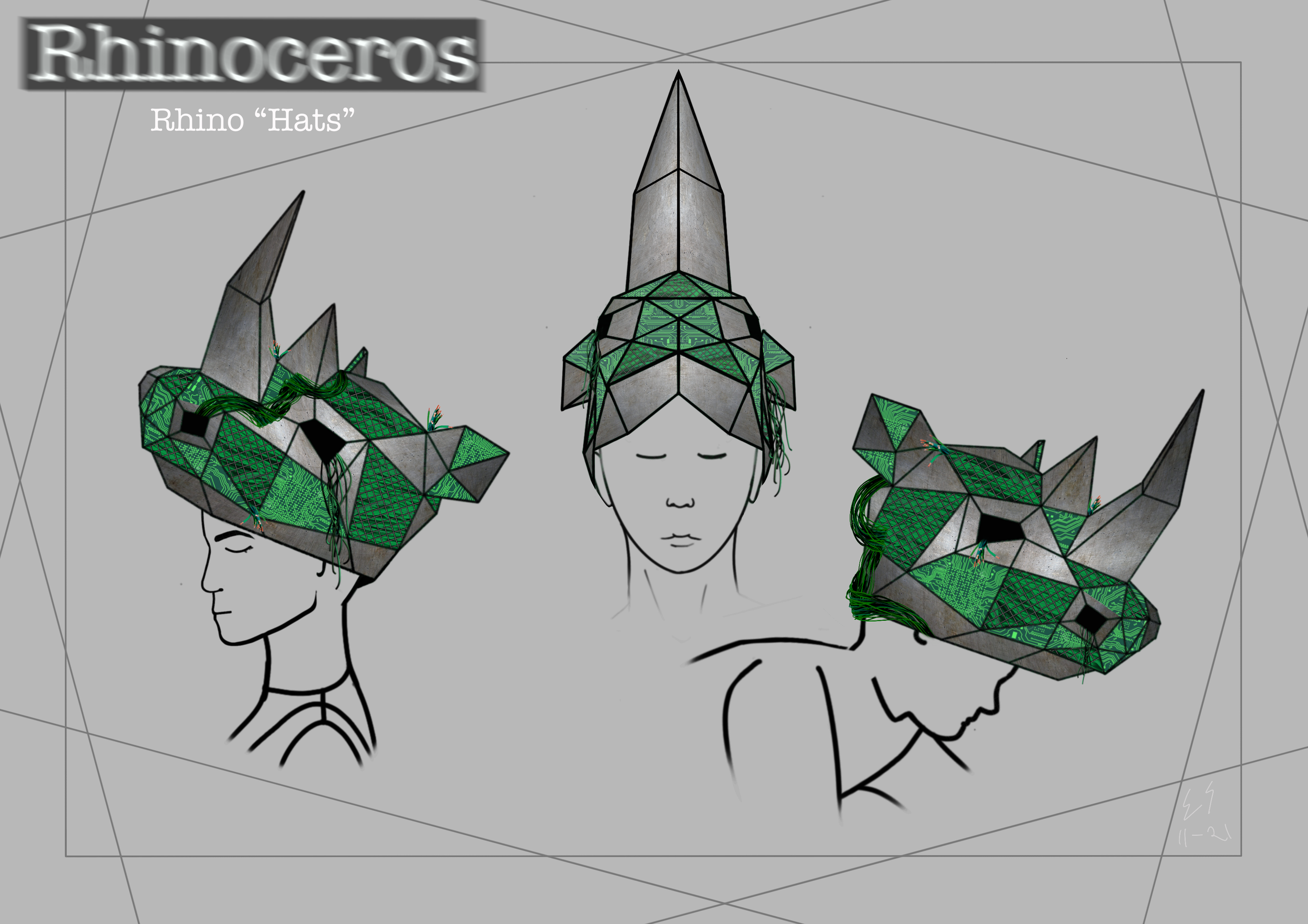
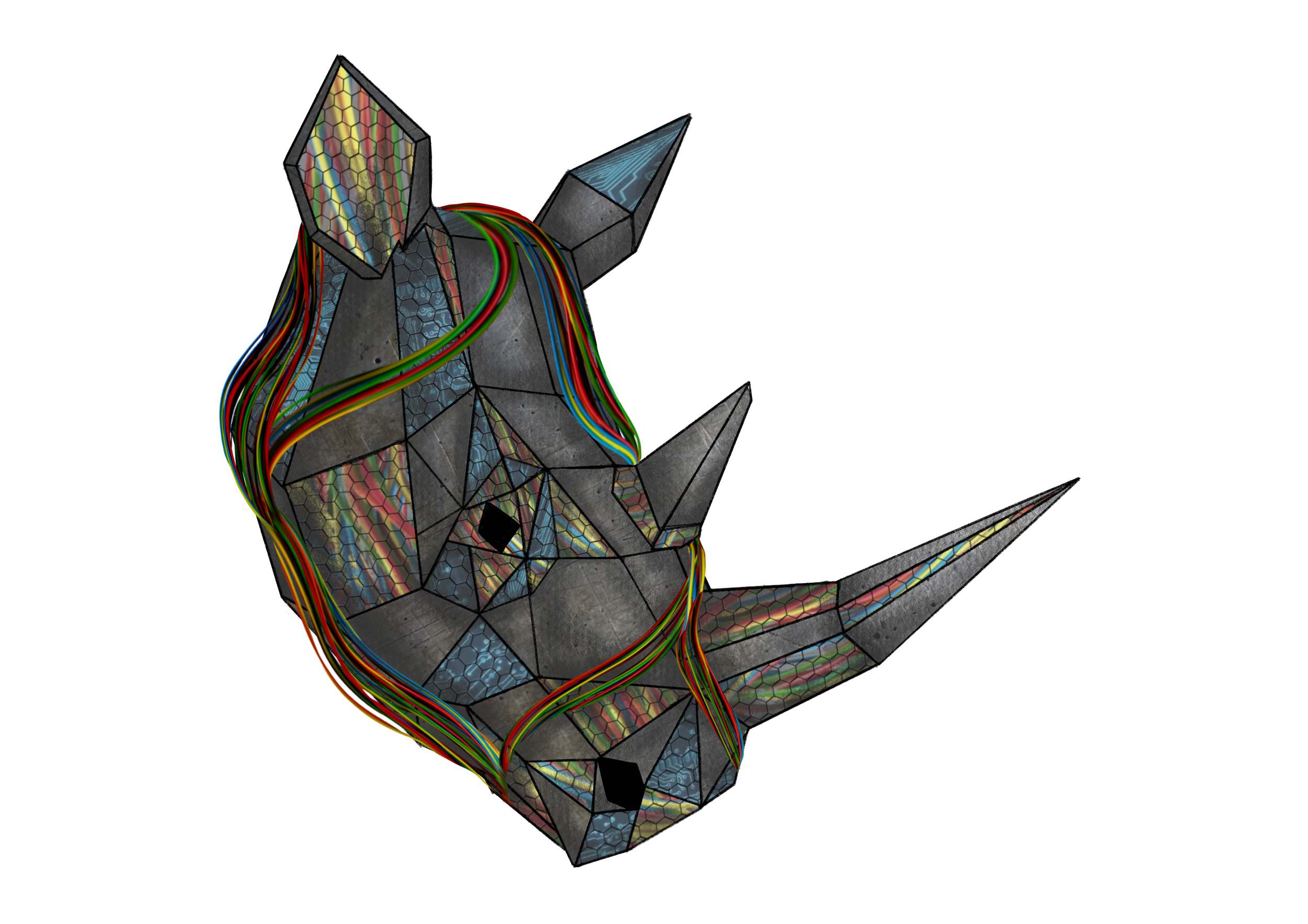
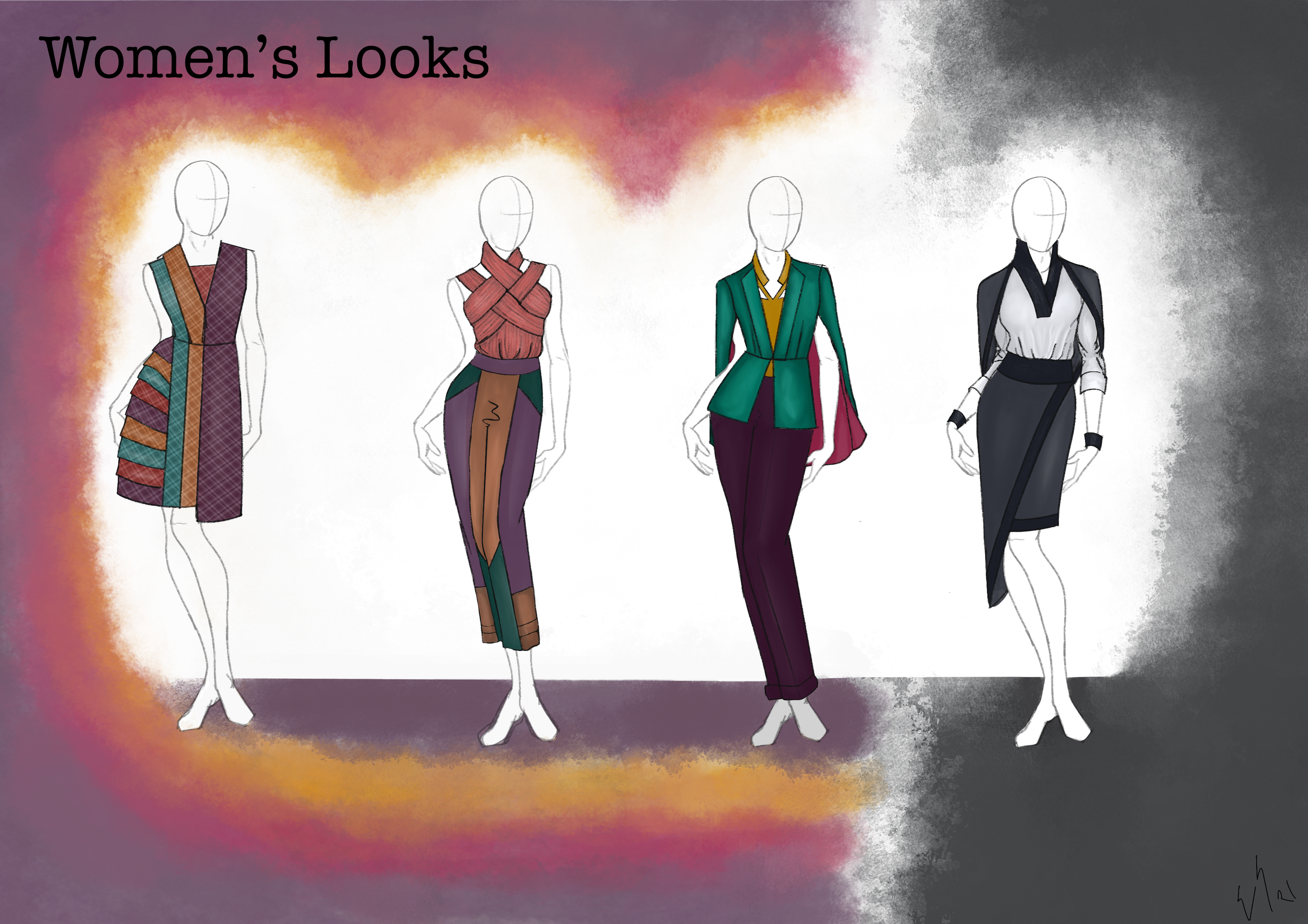
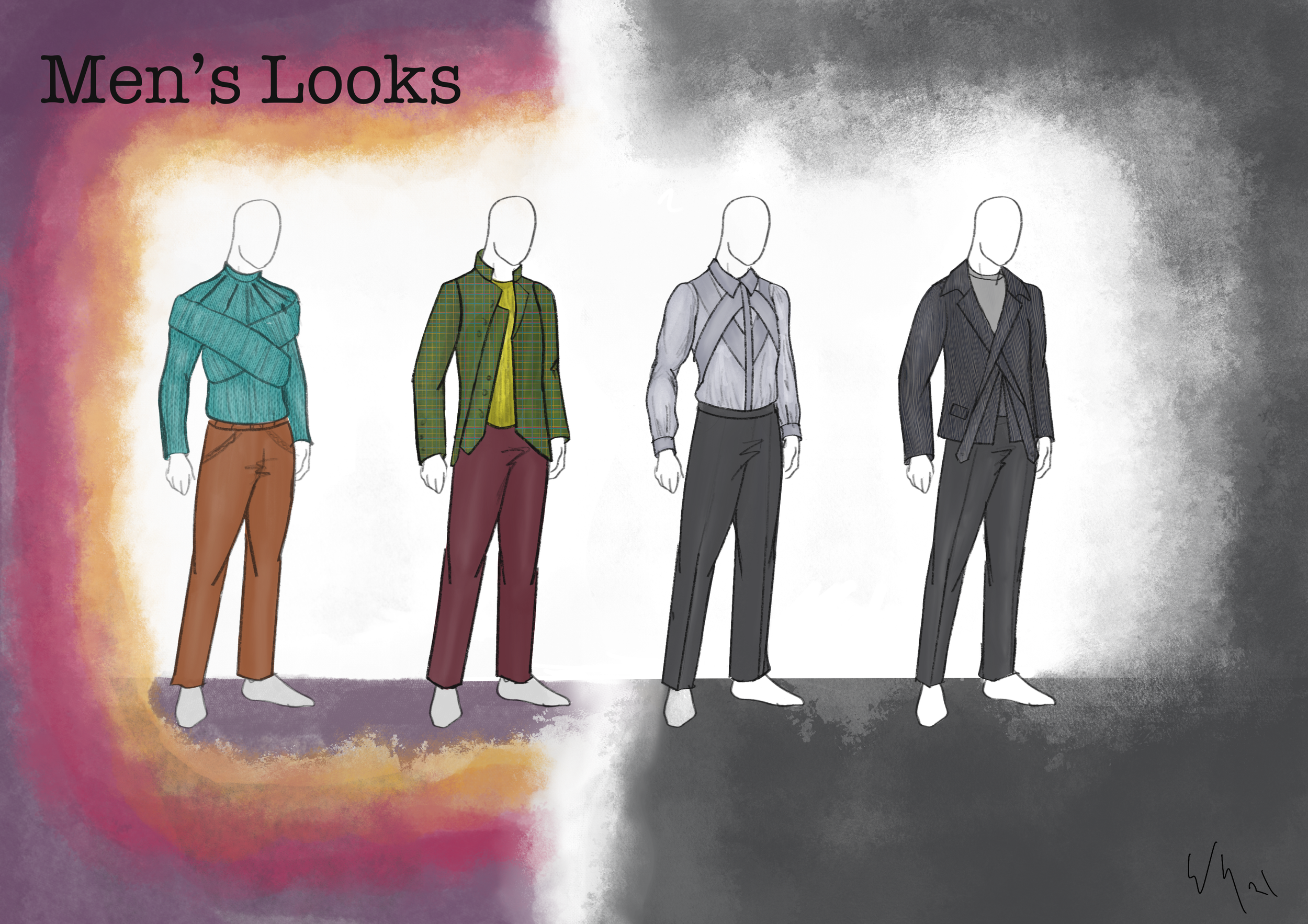
Rhinoceros was designed with a sense of ‘contemporary timelessness’, beginning in a world of vibrant, color-blocked costumes that reflected normalcy and social vitality. As the “rhinoceros plague” spread, color was gradually drained from the palette, transforming the stage into a fully grayscale environment.
This visual shift mirrored the characters’ loss of individuality and emotional connection as conformity took hold. The rhinoceroses were conceptualized as both technological advancement and societal disease, realized through geometric metal headpieces with protruding wires.
The concept drew direct parallels to the COVID-19 pandemic, exploring themes of fear, resistance, and isolation in times of collective crisis.


Antony & Cleopatra
Moraine Valley Community College, 2019
Director: Dr. Craig Rosen
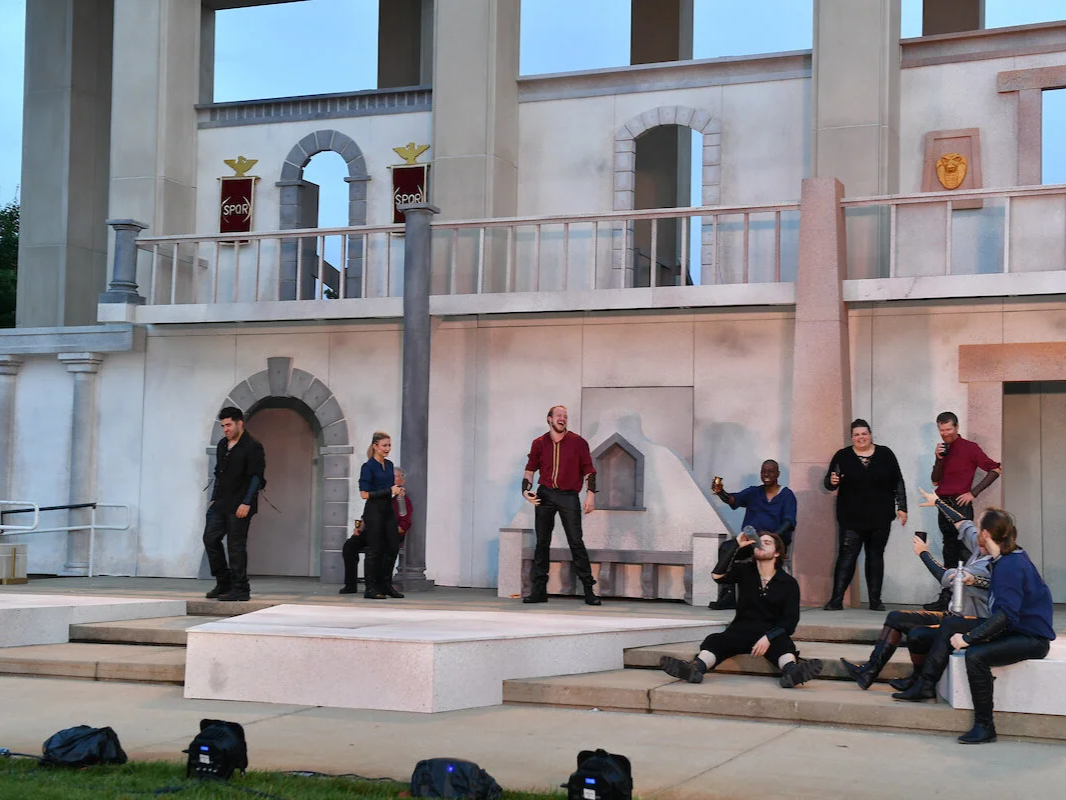
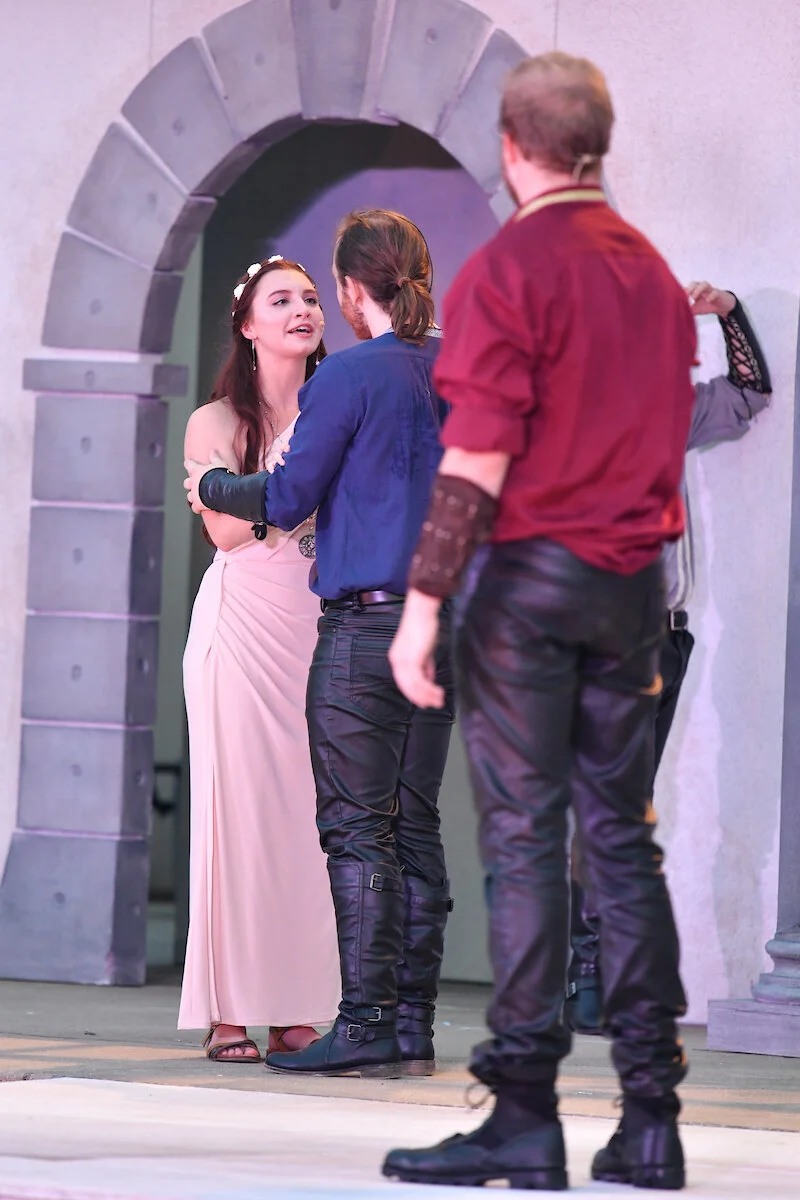
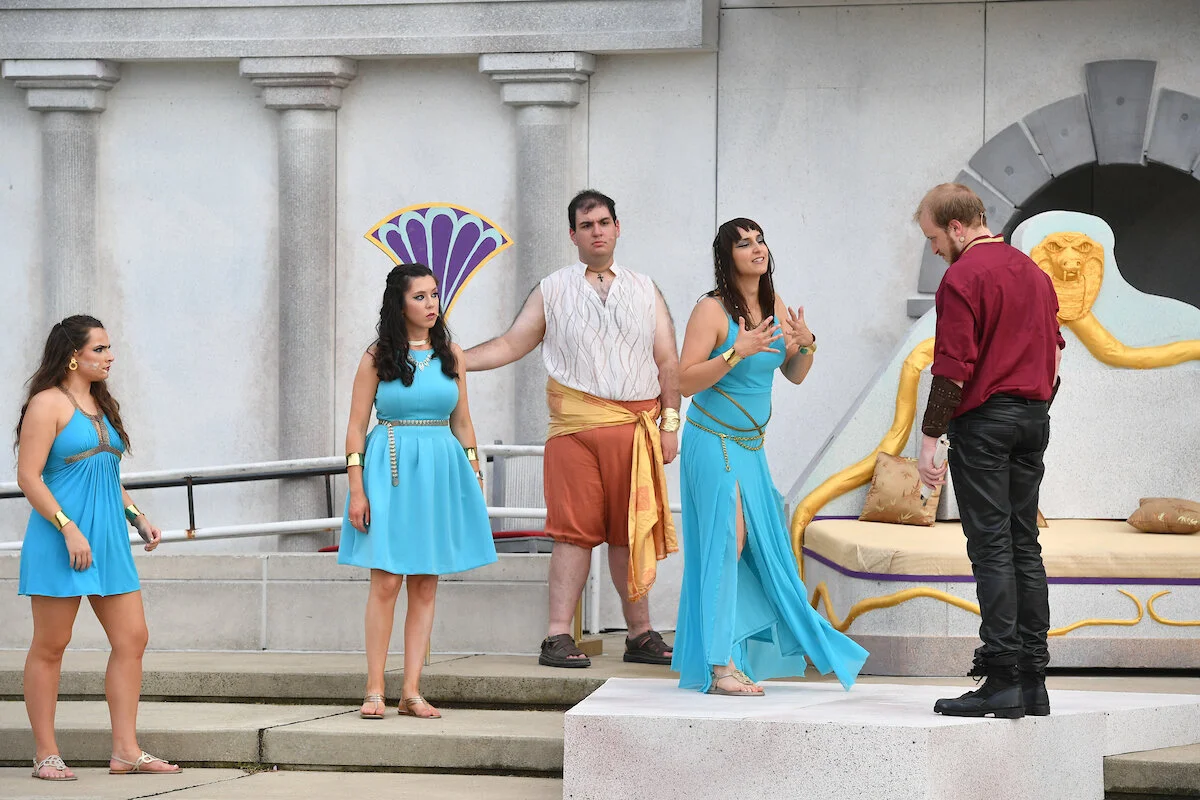
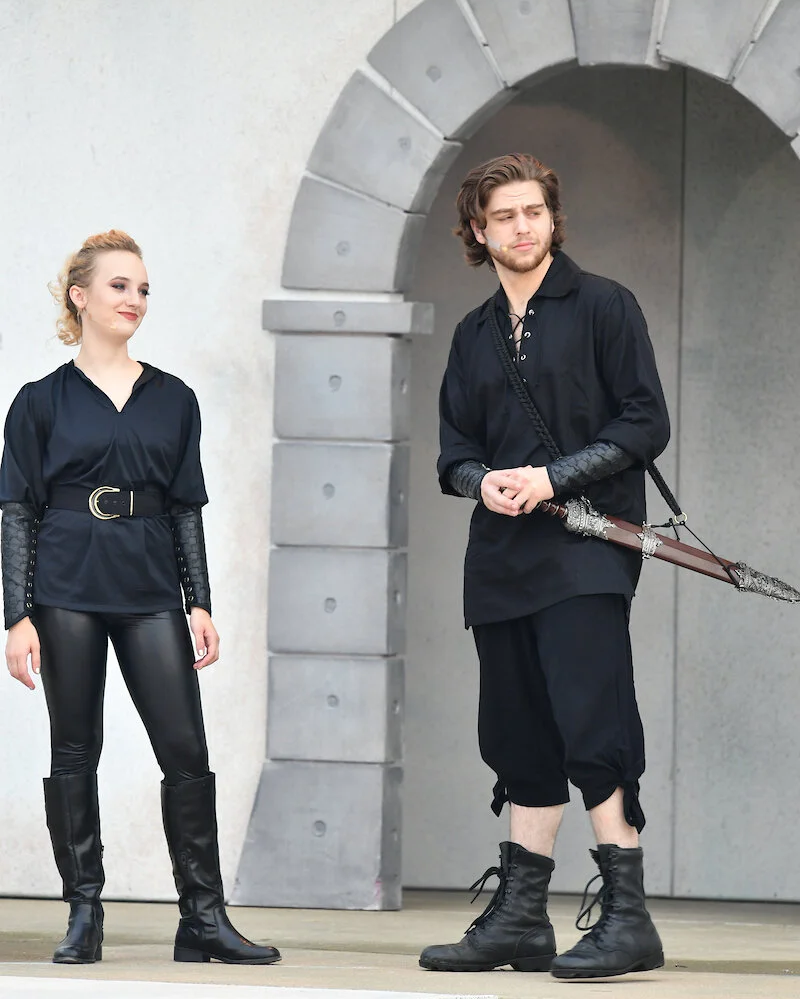
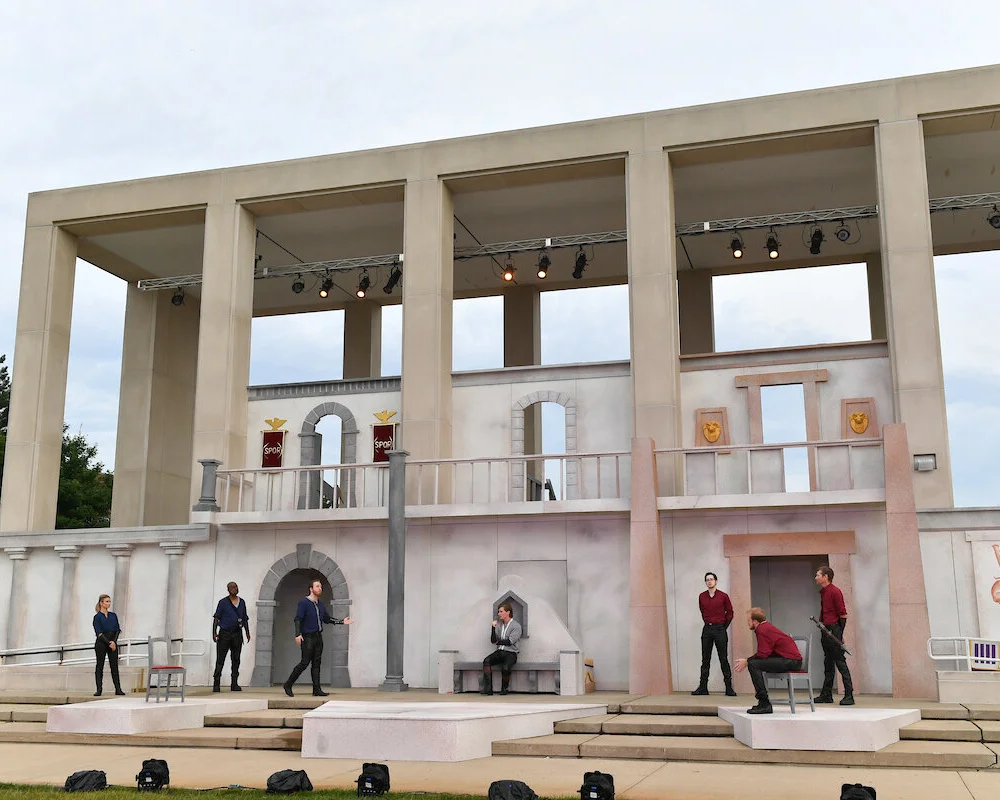
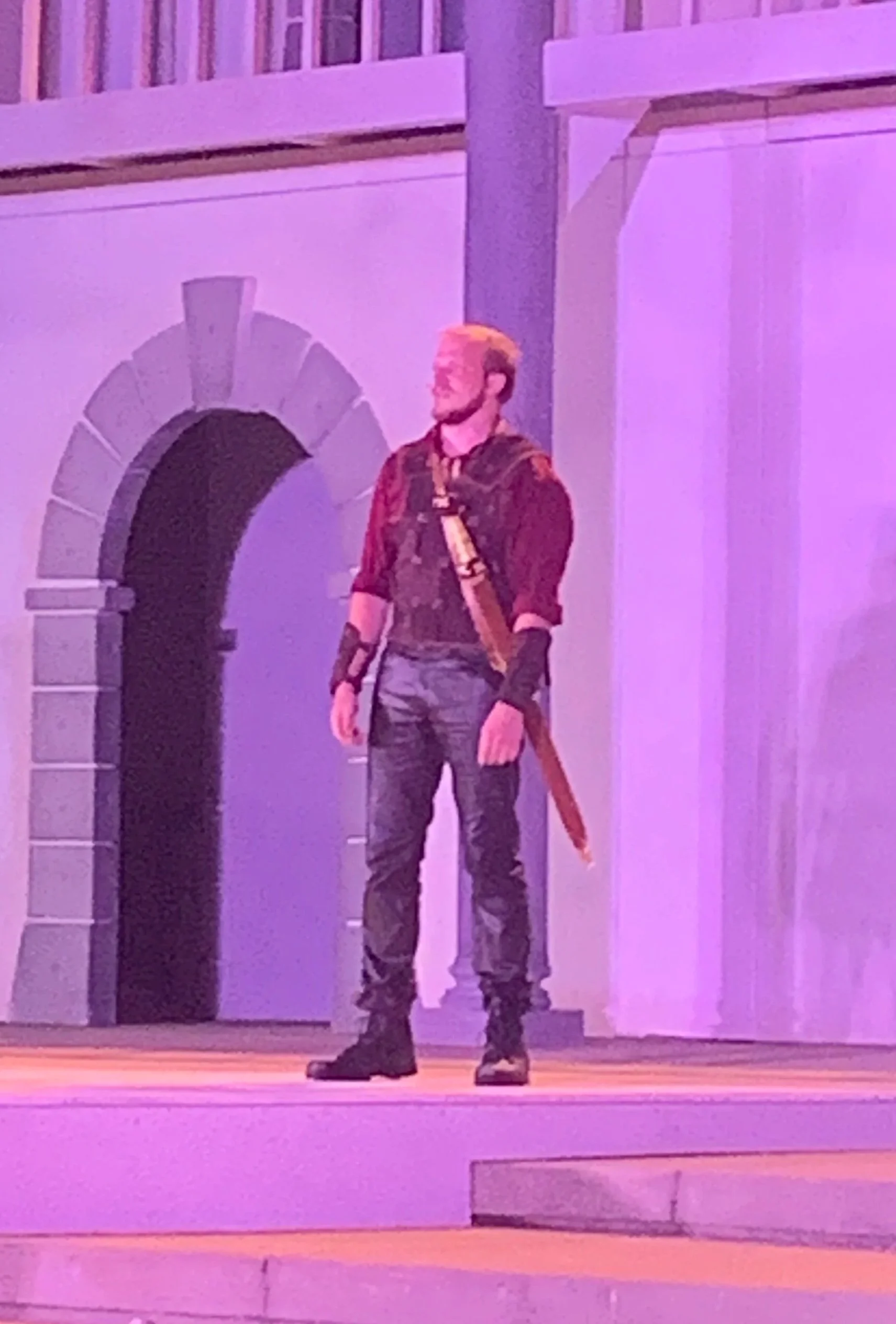
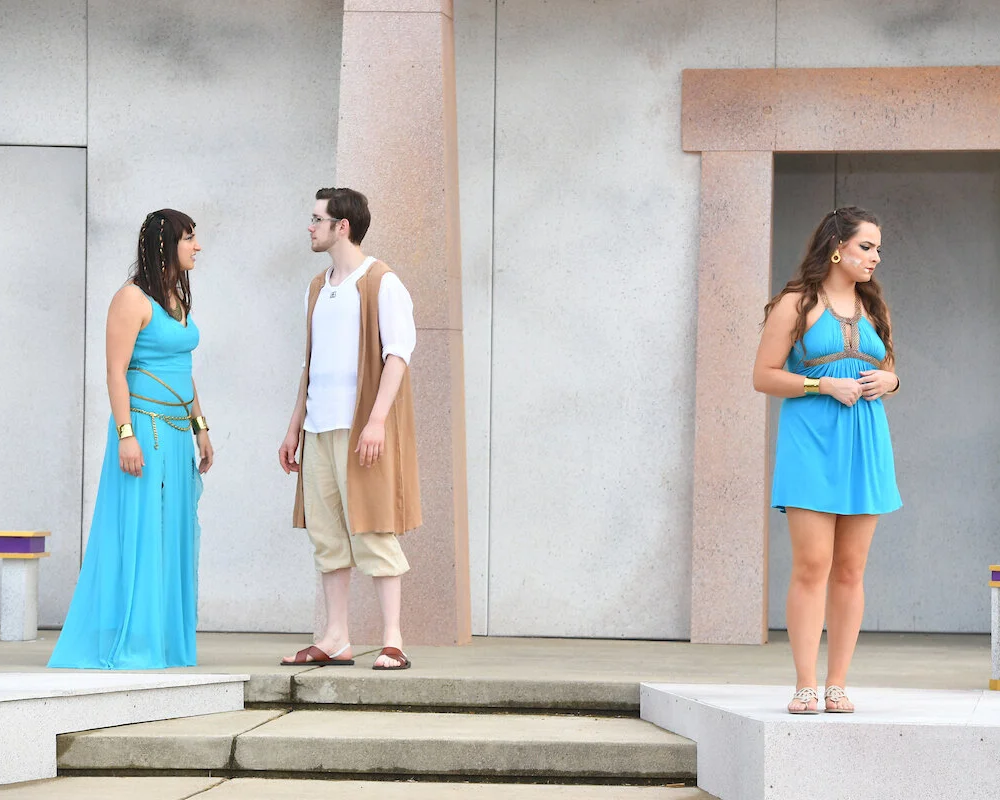
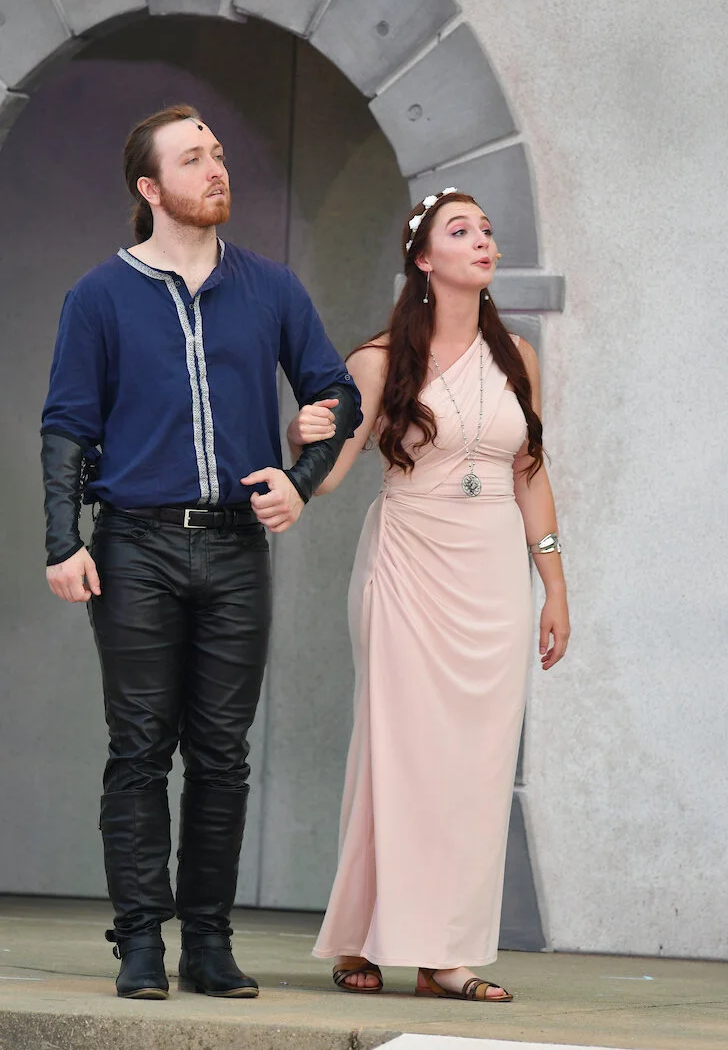
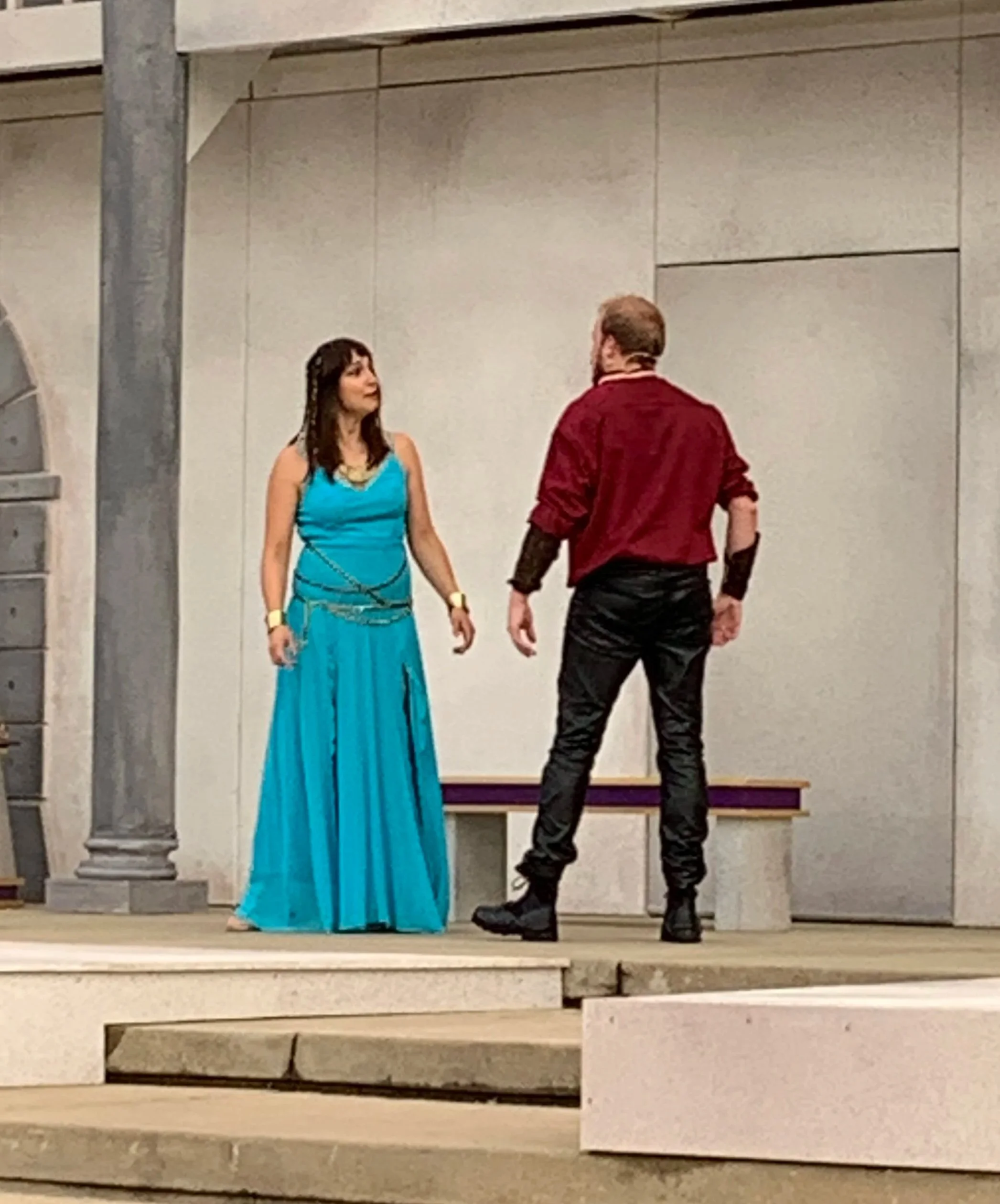
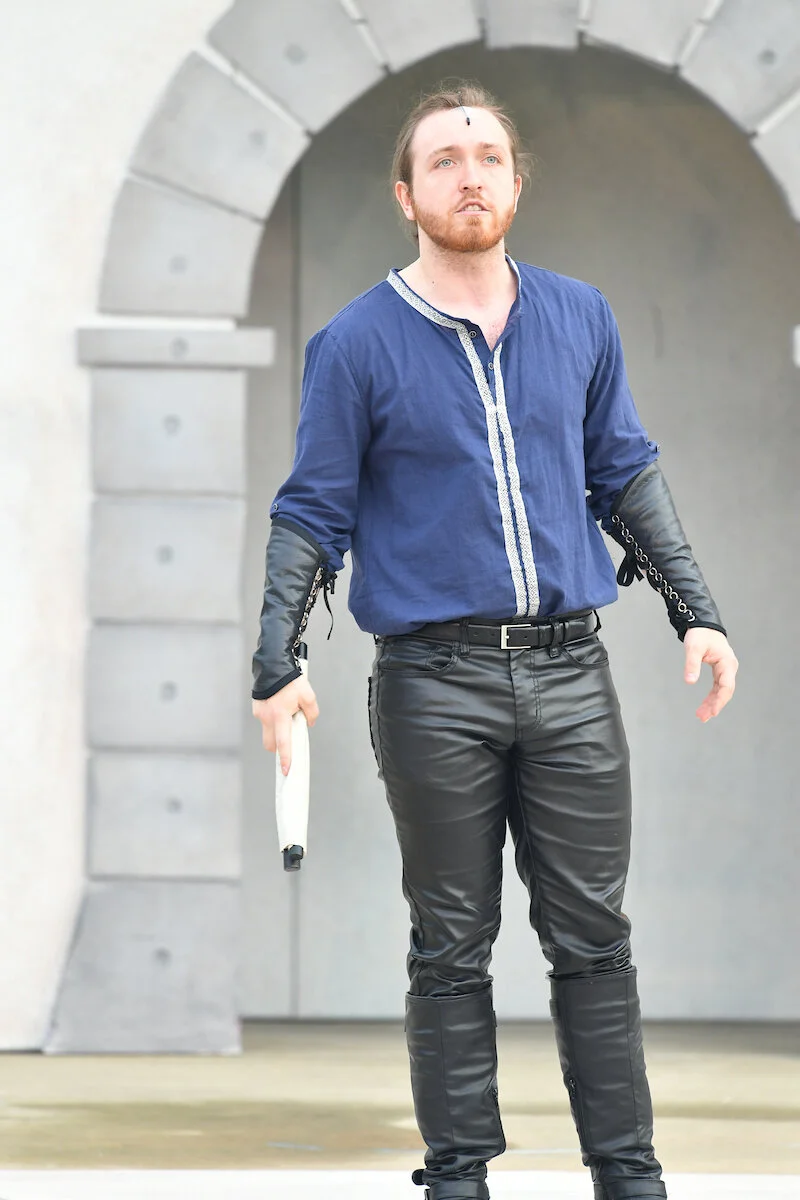
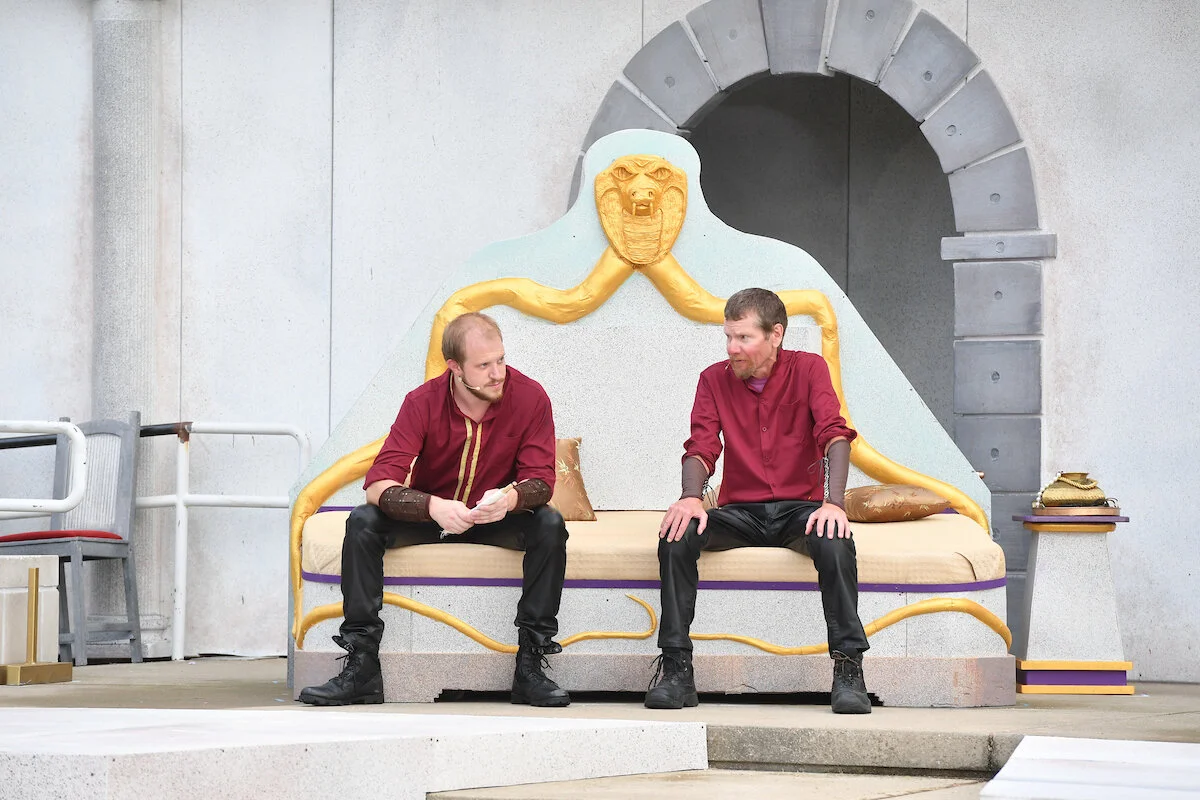
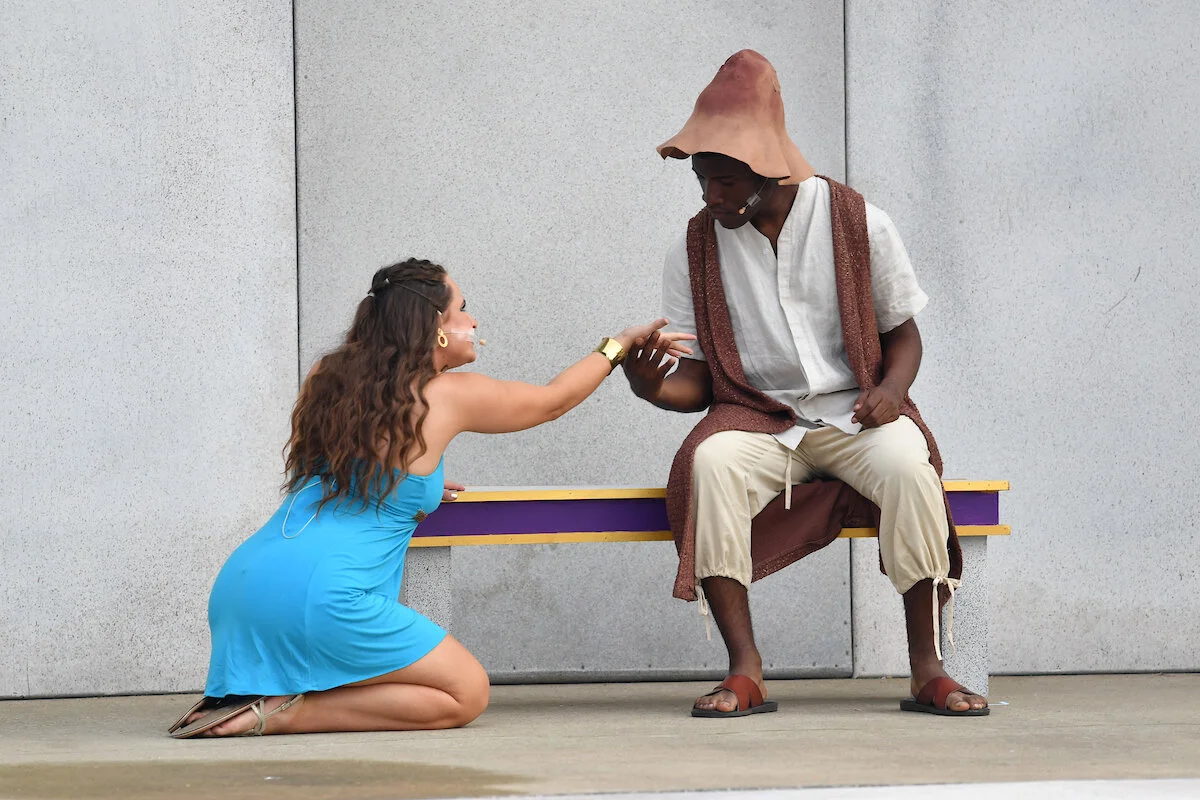
In Antony and Cleopatra, costumes were used to clearly define political alliances and social hierarchies through color and material. Each faction was assigned a distinct palette: Antony and his men in burgundy, gold, and brown; Caesar’s in navy, silver, and black; Lepidus’s in all black; and Cleopatra and her attendants in turquoise and gold to signify royalty and status.
Military costumes incorporated cohesive leather and linen elements across factions, creating visual unity while allowing color to distinguish allegiance. This system reinforced narrative clarity and emphasized shifting power dynamics throughout the production.



She Kills Monsters
Cornish College of the Arts, 2014
Director: Desdemona Chiang
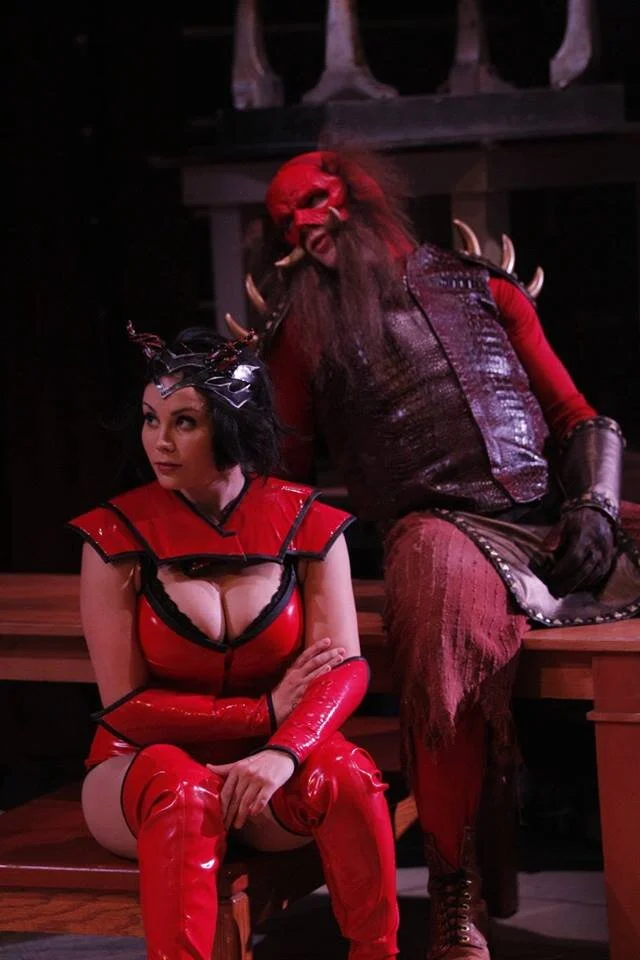
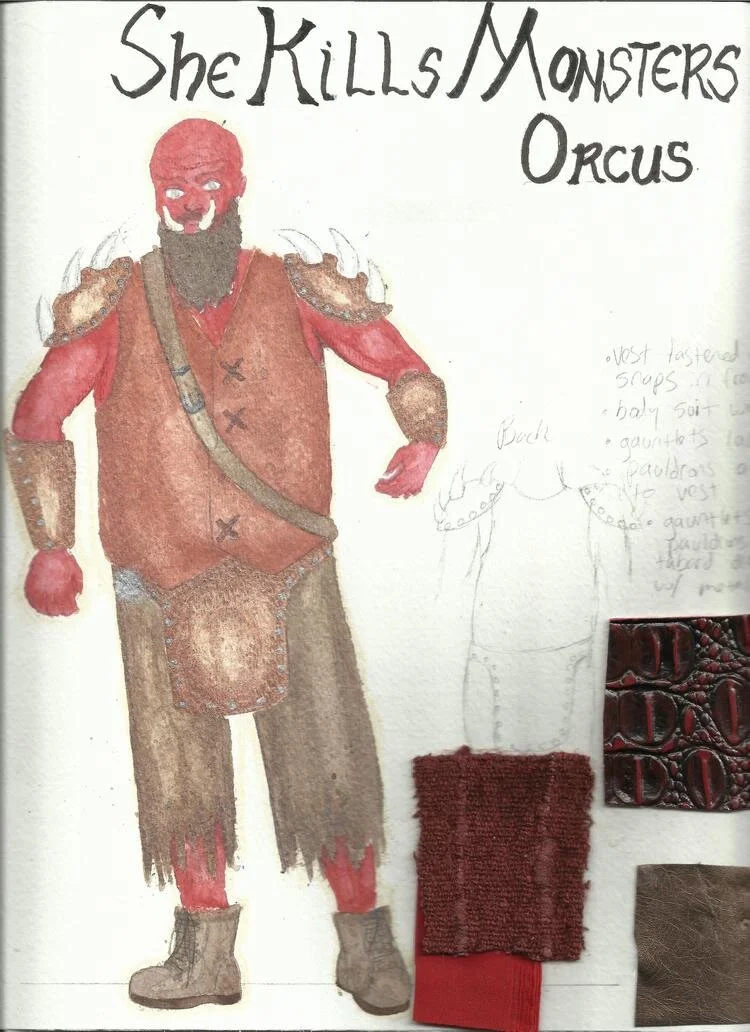
She Kills Monsters brings a Dungeons & Dragons campaign to life, blending heightened fantasy with contemporary storytelling. My designs were inspired by tabletop gaming archetypes and visual representations of character classes and races, emphasizing bold, expressive fantasy aesthetics.
Set in the 1990s, the production centers on themes of feminism, queer identity, and self-empowerment. These ideas were reflected in both the characters’ fantasy personas and their real-world looks, creating visual parallels between escapism and self-discovery.
The design embraced body positivity and strong, unapologetic femininity, drawing inspiration from the Riot Grrrl movement. Costumes celebrated individuality, strength, and emotional resilience, reinforcing the play’s message of acceptance and personal power.